

Specialist areas:
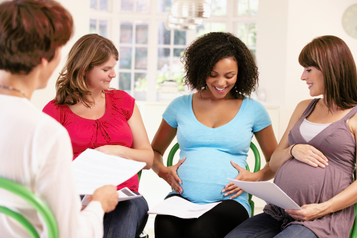
-
Maternal health and nutrition (preconception, antenatal and postnatal)
-
Fertility nutrition in females and males
-
Those undergoing fertility treatment such as in vitro fertilisation (IVF)
-
Polycystic ovary syndrome (PCOS)
-
Endometriosis and chronic pelvic pain
-
Hypothalamic amenorrhoea
-
Premenstrual disorders (including PMDD)
-
Perimenopause and menopause
-
Weight management before, during and after pregnancy
-
Preparing for and managing pregnancy after bariatric surgery
-
Gestational diabetes and pre-existing diabetes in pregnancy
-
Bone health across the reproductive lifespan
-
Nutritional deficiencies and micronutrient optimisation
-
Eating disorders in reproductive health and pregnancy
What do women's health and fertility dietitians help with?
Women’s health and fertility dietitians provide up-to-date, evidence-based dietary and lifestyle advice tailored to reproductive and hormonal health.
They support individuals and families across the life course, from preparing for pregnancy, through fertility treatment and pregnancy, to postpartum recovery and midlife health.
Some contribute to national policy, guideline development and workforce planning. Others are involved in research, service design and public health initiatives aimed at improving maternal and reproductive outcomes.
Who do women's health and fertility dietitians help?
They provide dietary and lifestyle advice and support if you:
-
are trying to conceive (naturally or with assisted reproduction)
-
have hormonal or gynaecological conditions such as PCOS or endometriosis
-
are living with endometriosis or chronic pelvic pain and seeking support with symptom management or fertility
-
have irregular cycles or ovulatory concerns
-
have a pre-existing medical condition and are planning a pregnancy
-
are undergoing fertility treatment
-
are pregnant, including multiple or high-risk pregnancies
-
have gestational diabetes or other pregnancy-related complications
-
are recovering postnatally or breastfeeding
-
are navigating perimenopause or menopause
-
want to optimise long-term health after pregnancy
How do women's health and fertility dietitians work?
Women’s health and fertility dietitians may work independently or as part of a multidisciplinary team. This can include specialist doctors, fertility consultants, midwives, specialist nurses, psychologists and other allied health professionals.
They assess dietary intake, nutritional status, lifestyle factors and medical history to provide personalised recommendations. Advice may include food-based strategies, supplementation where appropriate, activity guidance and support for sustainable behaviour change.
They work in a culturally sensitive and person-centred way, recognising the diverse needs of individuals and families.
Where do women's health and fertility dietitians work?
They provide one-to-one or group appointments in hospital, community and primary care settings. Many also work within specialist fertility clinics, maternity services and women’s health teams.
You may also choose to see a women’s health and fertility dietitian in private practice.
Further info:
- Are you a BDA member dietitian working or interested in maternal and fertility nutrition? Join our Women's Health and Fertility Specialist Group today!
- The group is on Instagram. You can also join the BDA Women's Health and Fertility closed Facebook Group.