

A healthy breakfast is the perfect way to start your day. It can provide essential nutrients, sustained energy and many health benefits, from improved focus to weight management.
Even with a busy schedule, it’s easy to enjoy a quick and healthy breakfast.
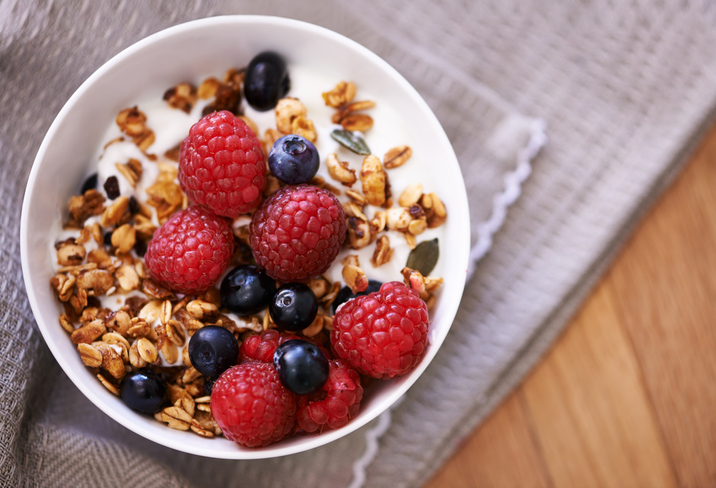
What is breakfast?
Breakfast is the first meal of the day, eaten within 2-3 hours of waking. It breaks the overnight fast and provides energy after a night of repair and renewal.
In the UK, more than 90% of people eat breakfast, though adolescents are the least likely to do so. With some planning, breakfast can fit into any lifestyle.
Why is breakfast so important?
Breakfast is important for meeting nutritional needs. It can provide fibre, vitamins and minerals, including calcium and iron. It supports energy levels and regular breakfast eating is linked to an overall healthier diet.
A good quality breakfast is linked to improved glycaemic control, lower risk of weight gain and reduced risk of metabolic syndrome, type 2 diabetes and cardiovascular diseases.
In contrast, skipping breakfast could lead to nutrient deficiencies, hunger, unhealthy snacking and a higher risk of obesity.
What does a healthy breakfast look like?
The quality of your breakfast really matters. Aim for a breakfast that includes foods such as fruits, vegetables, wholegrains, nuts, healthy fats and protein.
It is best to avoid red and processed meats and sugary beverages.
Your breakfast should provide you with about 20-25% of your total food intake for the day.
Foods and drinks high in fat and sugar give you energy but are generally low in vitamins, minerals and other nutrients.
Foods with added sugars and salt, such as some breakfast bars, sugary cereals and biscuits, should be limited. Use fresh or dried fruit to add natural sweetness instead of sugar on your cereal.
A breakfast built from the main food groups will give you an excellent start to the day:
Starchy foods
Starchy foods include bread, cereals, rice, oats, potatoes and pasta. They provide energy, B vitamins, some iron and fibre. Choose wholegrain varieties whenever possible to ensure a good fibre and nutrient intake.
Some examples include:
- Oats: Porridge and overnight oats, for those with limited time, with dairy or fortified plant-based drinks are a great breakfast food and have been found to help with reducing total cholesterol levels. You can add toppings such as nuts and seeds, spices such as cinnamon, fruit and yoghurt to make them even more nutritious and tasty.
- Wholegrain foods: Including sliced bread, scones, fruit bread and bagels, are a good source of energy. Use healthy toppings such as mashed banana or avocado, houmous, nut butters, low-fat cheese spread or eggs.
- Cereals: As well as being quick and easy to prepare, cereals are often fortified with vitamins and minerals. Be careful to check the labels and choose those with a higher percentage of wholegrains and little or no added sugar and salt. Avoid sugar-coated cereals.
Fruits and vegetables
Fruits and vegetables are excellent sources of vitamins, minerals and fibre. Breakfast is a great opportunity to contribute towards your 5-a-day.
- Fruit: On your cereal, try chopped fresh, cooked or dried fruit, or add half a grapefruit or fruit salad to your breakfast as a side.
- Fruit smoothie: Blend some fruit of your choice with your favourite yoghurt or milk. Frozen berries, seasonal fruit and avocado work well in smoothies. A small glass (150ml) of pure fruit juice also counts as one serving of your 5-a-day but avoid having it every day.
- Vegetables: Add vegetables to your breakfast as a side with toast or mixed in with an omelette. Baked beans or houmous also count as one of your daily portions of vegetables and are a great way to boost your protein and fibre intake at breakfast.
Dairy and dairy alternatives
These provide calcium and vitamins as well as protein. Calcium is essential to keep your bones strong and healthy, whatever your age.
- Milk or alternative: A serving of milk or an unsweetened calcium-fortified plant-based drink on your cereal, as a drink or in smoothies, can give you up to one third of your daily calcium needs. Dairy and soya-based products are also a source of protein.
- Yoghurt: Alternatively, have a portion (a small pot) of low-fat dairy or plant-based yoghurt as a side or added to cereal, oats or smoothies. Natural yoghurt is delicious topped with fruit and a sprinkle of low-sugar muesli.
- Cheese: Cheese can provide a savoury topping for bread products. Use sparingly or choose low-fat options to keep the saturated fat content low.
Protein foods
Protein foods include nuts, seeds, legumes (beans, lentils and chickpeas), meat, fish and tofu. They provide protein, iron and vitamins. These foods add variety and help you feel fuller for longer.
Nuts and nut butters, baked beans, eggs (poached, boiled or scrambled), scrambled tofu, grilled kippers or smoked haddock are healthier options than red and processed meats. Add seeds to cereals and porridge for a protein and fibre boost.
Healthy breakfast ideas
- Porridge or overnight oats with milk or a fortified plant-based alternative, fruit, nuts and seeds.
- Avocado toast with a poached egg or scrambled tofu.
- Smoothie bowls with blended fruit, yoghurt and low-sugar granola.
- Wholegrain toast with nut butter or low-sugar baked beans.
- Omelette with spinach, tomatoes or mushrooms, served with wholegrain toast.
Top tips
- A healthy balanced breakfast includes wholegrains, fruits, vegetables, healthy fats and some protein and limits processed meats, sugary cereals and sugary drinks.
- Eating a healthy balanced breakfast can improve glycaemic control and support weight management as well as lower your risk of type 2 diabetes, heart disease and obesity.
- Skipping breakfast means you may miss out on essential nutrients and feel hungrier during the day, causing you to snack on unhealthy foods, which can increase your risk of obesity and related issues.
Source(s)
Bonnet et al (2020) Breakfast Skipping, Body Composition, and Cardiometabolic Risk: A Systematic Review and Meta-Analysis of Randomized Trials. Obesity (Silver Spring). Jun; 28(6):1098-11109.
Gaal et al (2018) Breakfast Consumption in the UK: Patterns, Nutrient Intake and Diet Quality. A Study from the International Breakfast Research Initiative Group. Nutrients. Jul 30;10(8):999.
Gibney et al (2018) Towards an Evidence-Based Recommendation for a Balanced Breakfast—A Proposal from the International Breakfast Research Initiative. Nutrients. Oct 18;10(10):1540.
Ma et al (2020) Skipping breakfast is associated with overweight and obesity: A systematic review and meta-analysis. Jan-Feb;14(1):1-8.
O’Neil et al (2014) The role of breakfast in health: definition and criteria for a quality breakfast. J Acad Nutr Diet. Dec; 114(12 Suppl):S8-S26.
Sebastian et al (2024) Breakfast Consumption by U.S. Adults: What We Eat in America, NHANES 2017 - March 2020. Food Surveys Research Group Dietary Data Brief No. 59. Available at: https://www.ncbi.nlm.nih.gov/books/NBK604191/pdf/Bookshelf_NBK604191.pdf [accessed 18/12/2024]