If the Government’s ambitions on prevention and obesity are to succeed, dietary health policy must be shaped by professionals who understand food, nutrition and the realities people face every day.
That was the message from the BDA at the launch event of the All-Party Parliamentary Group (APPG) on Dietary Health, held in Parliament on 20 May.
The parliamentary drop-in event, hosted by Jim Dickson MP, brought together organisations from across health, public health, food policy and civil society to discuss the future of dietary health in the UK.
The event focused on the NHS 10 Year Plan and whether the Government’s proposed “moonshot to end obesity” can succeed. It also explored how the food system is affecting the nation’s health, why diet-related disease is rising, and why the impact is felt most sharply in deprived communities.
Making healthy food realistic in practice
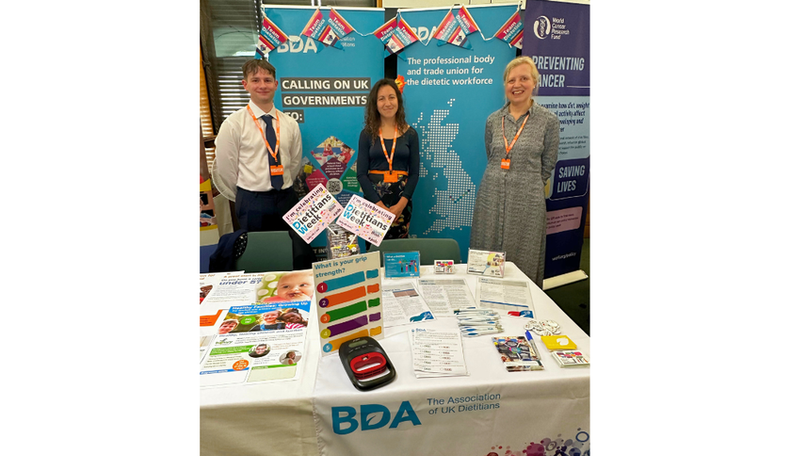
The BDA used the event to highlight the role of dietitians in making healthy, affordable food realistic in practice, and in helping define what a good diet should look like today.
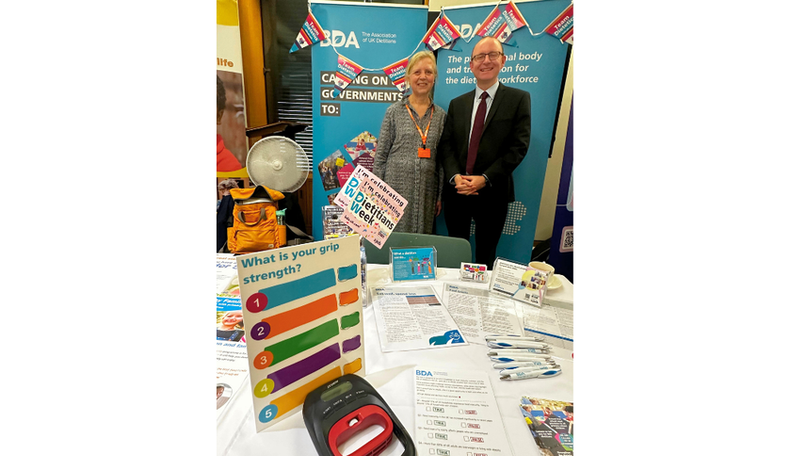
The BDA stand focused on why up-to-date dietary guidance matters, from the Eatwell Guide and any future reference diet through to prevention, public health and the food provided in schools, hospitals and other public settings.
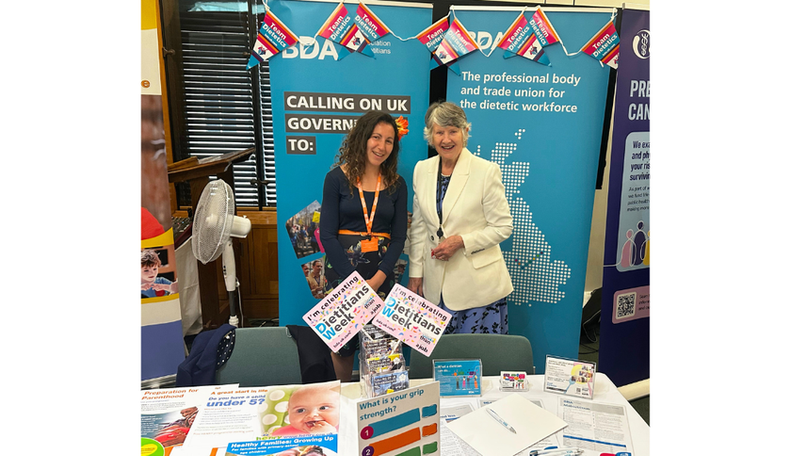
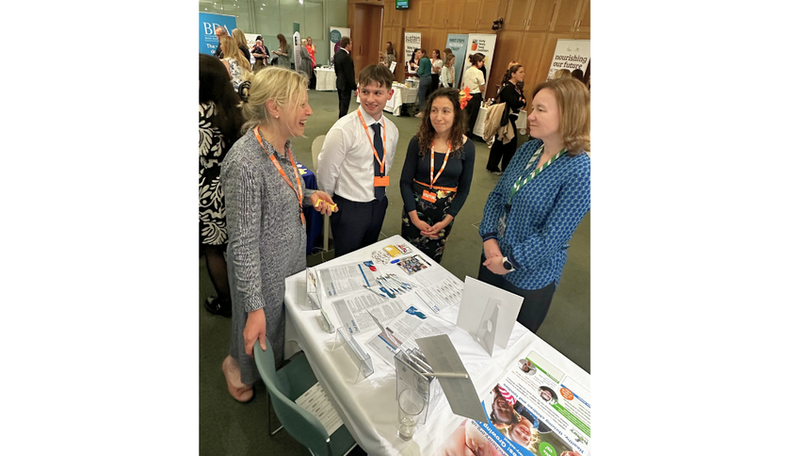
Dietitians representing the BDA spoke with parliamentarians throughout the event about the practical realities of improving dietary health. The stand included BDA resources, copies of the Eatwell Guide, a quiz to support conversations about food insecurity and dietary health, and a hand grip strength activity to open up discussion around nutrition, strength, function and prevention.
The event came at an important moment politically, with prevention, obesity and the future of the NHS high on the agenda. The BDA’s view was clear: ambitions to improve dietary health will only succeed if policy is shaped by professionals who understand food, nutrition, behaviour and the pressures people face in daily life.
Dietitians speaking with parliamentarians
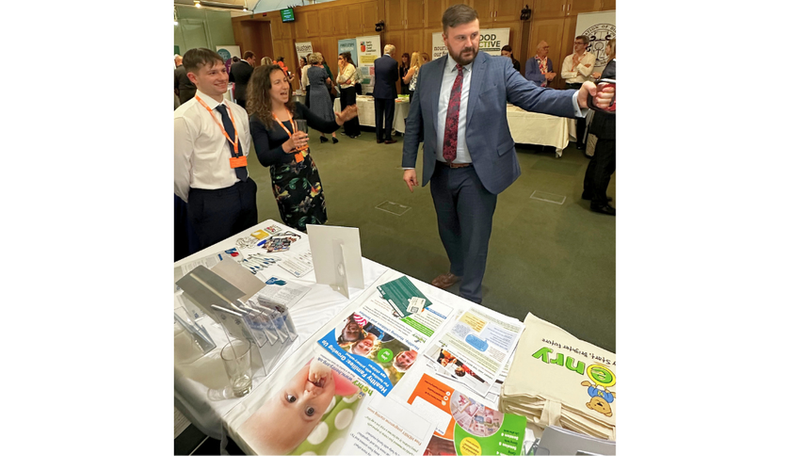
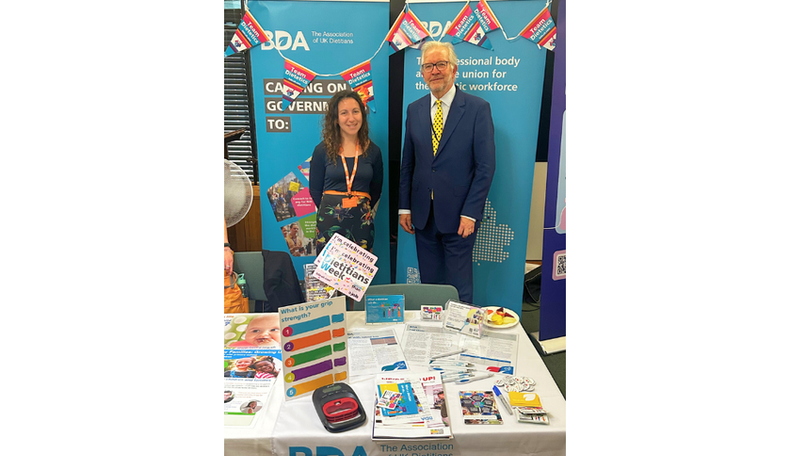
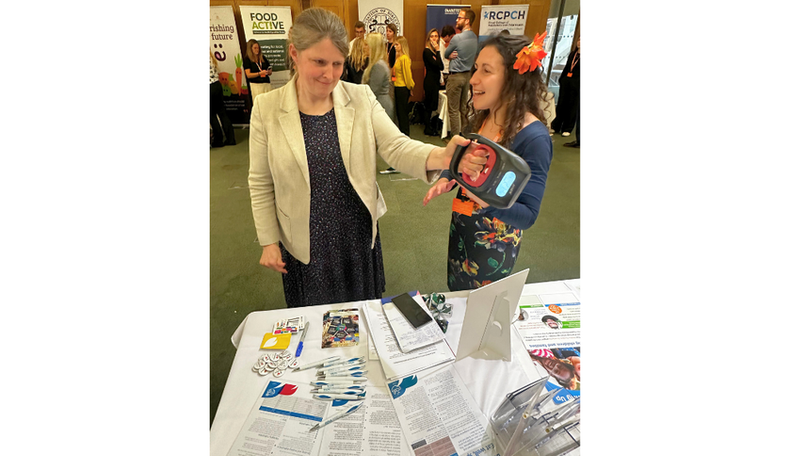
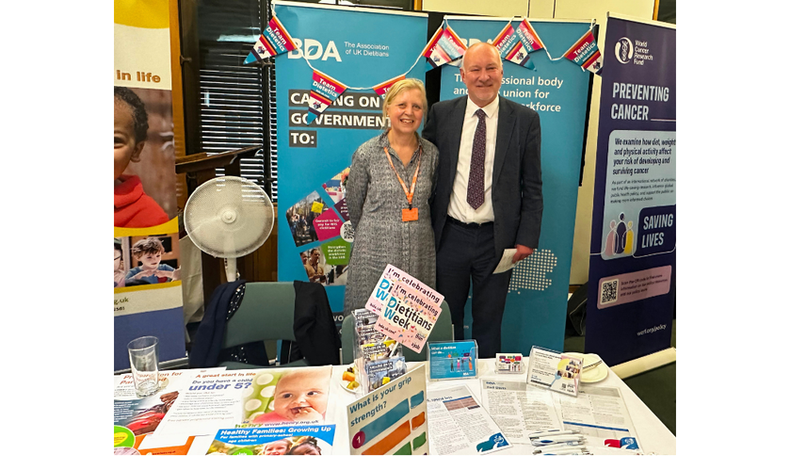
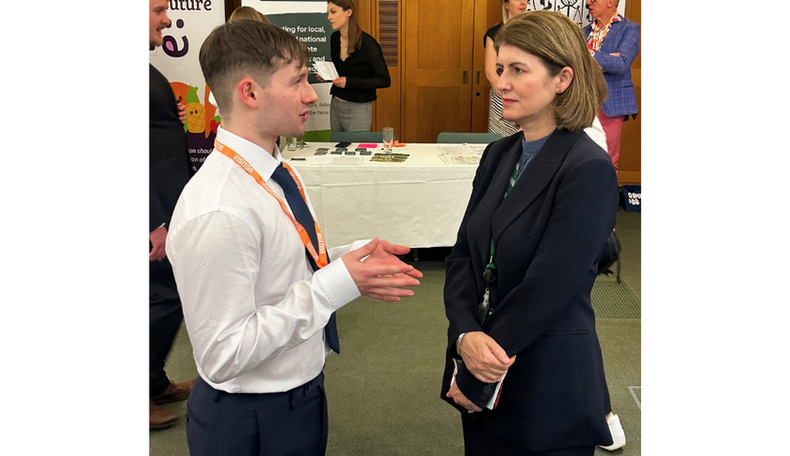
Dr Amanda Avery, Associate Professor in Nutrition and Dietetics, University of Nottingham, said, "It was valuable to speak with parliamentarians about the need for national dietary guidance that is evidence based, practical and relevant to the realities people face today.
"From my perspective in nutrition and dietetics education, it is vital that policy is shaped by the best available evidence, but also by the professionals who understand how that evidence is translated into advice, services and food provision in settings such as schools, hospitals and communities."
Kyle Kennedy, dietitian and anthropometrist, said, "The conversations we had at the event showed why dietary health has to be seen as a public health issue, not just a matter of individual choice. Affordability, food insecurity, health inequalities and local environments all shape what people are realistically able to eat.
"Dietitians have an important role in helping politicians understand those wider pressures and what practical action is needed to support healthier communities."
Hannah Style, FEAST With Us Founder and Nutrition Trustee, Professional Development Lead Dietitian at East London NHS Foundation Trust, and Clinical Fellow for Pathway, said, "I was pleased to be able to speak with parliamentarians about the reality of food insecurity and poor dietary health for people facing homelessness, poverty, mental health difficulties and other forms of disadvantage.
"Through my work with FEAST With Us and in mental health dietetics, I see how difficult it can be for people to access nourishing food with dignity. These conversations matter because improving dietary health has to start with the realities of people’s lives."
Why dietetic expertise matters
The BDA has consistently called for dietitians to be recognised as essential to prevention, public health and the development of effective food and nutrition policy.
Dietitians work across the NHS, public health, local government, education, social care, research and the voluntary sector. That gives the profession a broad view of both the evidence base and the practical pressures facing individuals and communities.
The APPG on Dietary Health provides an important opportunity to keep these issues on the parliamentary agenda and to ensure that discussions about obesity, prevention and food policy are informed by dietetic expertise.
Members can add their voice
Alex Ehrlich, Public Affairs Officer at the BDA, said, "Events like this are a reminder that political engagement does not only happen in Parliament. BDA members can use the Political Engagement Toolkit at any time to contact their own MP, share their professional experience and help make sure the dietetic voice is heard in local and national policy conversations."
The BDA will continue to work with the APPG on Dietary Health, the Obesity Health Alliance and partners across the sector to ensure the dietetic voice is heard in decisions about the future of dietary health, public health and prevention.