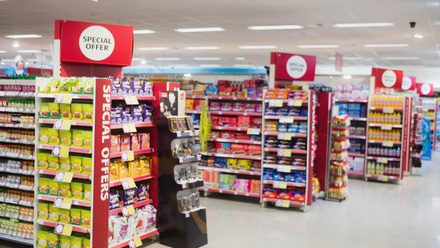
The UK’s nutrition and advertising landscape is undergoing significant change; new restrictions on advertising of foods high in fat, salt and sugar (HFSS) came into force in January as well as the recent publication of the updated nutrient profile model 2018 (NPM).
For the dietetic workforce and those in public health, these changes represent a critical evidence-based shift towards food policy that strengthens the food environment and protects people, particularly children, from unhealthy food promotion.
There are still some open questions about how the updated model will be put into practice.
The upcoming consultation should help bring a bit more clarity around its application. The government should now involve experts across dietetics, public health and nutrition so that the model is informed by the right data, experience and insight, supporting its potential to improve public health.
Advertising standards are tightening – and Public Health is front and centre
After extended and persistent campaigning by the likes of our colleagues in Obesity Health Alliance and Sustain advertising rules aimed at reducing children’s exposure to HFSS marketing have been strengthened. In January this year new regulations introduced:
- A 9pm watershed on TV and on-demand services for HFSS product advertising
- A total ban on paid-for online advertising of HFSS foods
These restrictions mark a strong step forward to putting our public and children’s health at the foreground of food promotion activity and reduce the influence of unhealthy food marketing on our diets. A policy that has been delayed due to issues such as industry concern and brand vs product advertising; we know marketers can still influence consumer preferences even without showing food items.
The facts remain that advertising shape food norms, purchasing patterns and preferences, which can all influence and alter dietary patterns.
Nutrient Profile Model (NPM) 2018
Last year the government committed to modernising the model through the 10-year health plan for England.
The updated NPM 2018 provides the evidence-based foundation for determining which foods qualify as more or less healthy, and which are HFSS for use in underpinning advertising and promotional legislation.
Earlier versions of the model had become outdated. The update is now more closely aligned with the government’s scientific advisory committee on nutrition (SACN) particularly on free sugars and fibre intake, and the wider nutritional evidence base.
While there are still areas to consider with the updated model such as, potential ‘good’ and ‘bad’ thinking of products, and the pass/fail threshold encourages companies to reformulate rather than a policy to apply the NPM as a continuous model, improving overall healthiness.
This step forward comes after significant delay, eight years in fact from consultation to publication - similar to that for the advertising standards too.
The updated NPM is released alongside government analysis that suggest if the model is applied to existing advertising and promotion restrictions it could make a significant decrease in population obesity levels. The update and forthcoming consultation on its application should also not delay the recently announced healthy food standard and mandatory reporting.
In 2025 the government announced a policy, that will require large food businesses to meet mandatory targets to improve the healthiness of their sales - a public health policy that could have substantial impact, if completed within this Parliament.
From a dietetic perspective – why this matters for the profession:
- They help reshape the food environment:
Children are particularly vulnerable to sophisticated advertising techniques, which can alter brain responses, shape food preferences, and increase calorie intake - even if a product isn’t shown. And for those living with food insecurity and poverty, the environmental and structural interventions can have more impact than individual behaviour change.
- The measures help reduce exposure to unhealthy foods:
Government evidence and parliamentary reports consistently show the strong link between HFSS advertising exposure and children’s dietary intake, informing the case for 9pm watershed and marketing restrictions.
The dietetic profession has long advocated for limiting the promotion of nutrient-poor foods. The improved advertising standards, which could be underpinned by the new NPM will support healthier choices and help prevent diet-related disease.
- Support efforts to close health inequalities:
Our alliances and evidence repeatedly highlight that those from more deprived backgrounds are more heavily exposed to unhealthy food marketing. Restrictions in advertising and strengthened standards around what is classified as healthy can help reduce these inequities and improve long-term health outcomes.
A landmark moment for food policy
The introduction of the HFSS advertising restrictions and the updated NPM 2018 represent milestones in UK food policy.
- Policy is aligning more closely with evidence-base
- The food environment is shifting towards protection and healthier norms
- Public-health advocacy from cross organisation groups and alliances is translating into regulatory and legislative change.
For policy the direction is clear; stronger standards, better profiling tools and more policies that will form the foundation for a healthier, fairer food system for all.
The BDA policy team will keep you updated on the latest movements and consultations, please keep an eye out here nad in your member communications.
References
Gov UK (2026) Nutrient Profiling Model 2018. Available at: Nutrient profiling model 2018 - GOV.UK. Accessed: 18 January 2026
Gov UK (2026) Consultation outcome: UK nutrient profiling model 2018 review. Available at: https://www.gov.uk/government/consultations/consultation-on-the-uk-nutrient-profiling-model-2018-review. Accessed: 18 January 2026
Gov UK (2026) Guidance Nutrient profiling model 2018: technical guidance. Available at: Nutrient profiling model 2018: technical guidance - GOV.UK. Accessed: 18 January 2026
Gov UK (2026) Impact statement: the 10 year health plan for England. Available at: Impact statement: 10 Year Health Plan for England. Accessed: 18 January 2026.
Nesta (2026) Four things to know about the updated nutrient profile model. Available at: Four things to know about the updated nutrient profile model | Nesta. Accessed: 18 January 2026
Obesity Health Alliance (2026) Government publishes long-awaited update to nutrient profiling model. Available at: Government Publishes Long-Awaited Update to Nutrient Profiling Model - Obesity Health Alliance. Accessed 18 January 2026
Sustain (2026) Government releases update to the Nutrient Profiling Model. Available at: Government releases update to the Nutrient Profiling Model | Sustain. Accessed: 18 January 2026