Are you thinking about adding a supplement to your daily routine? Before you do, it’s worth understanding what supplements are, who they are for and how to choose them safely. This Food Fact Sheet will help you decide.
What are supplements?
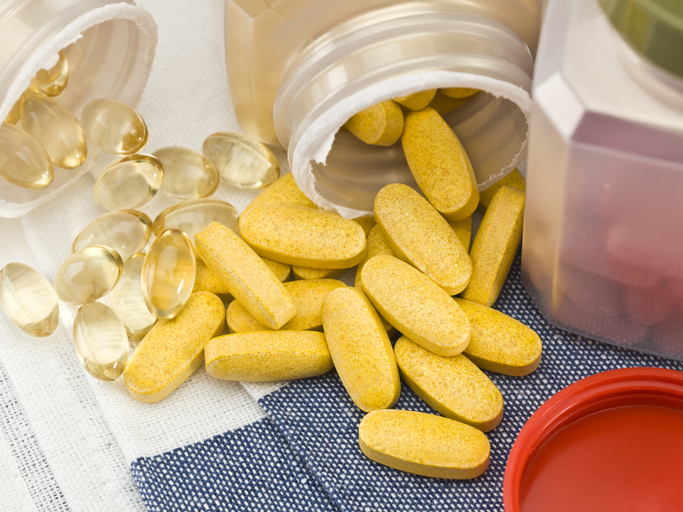
Food supplements are products sold in the form of a concentrated dose, for example tablets, capsules, liquid, gummies etc. and they may contain vitamins, minerals or other substances, which can cause nutritional or physiological (changes in your body) effects.
Supplements are regulated by the Food Standards Agency (FSA) in the UK and are legally considered foods, not medicines. To sell a supplement in the UK, a business needs to be registered, label their products and follow strict regulations.
Some popular supplements in the UK are: vitamin D, vitamin C, vitamin B12, iron, magnesium, calcium, fish oils, pre and probiotics and various herbal and plant extracts.
Who needs supplements?
Most people do not need supplements. However, specific groups of people may benefit from adding certain nutrients.
| Group | Recommended supplement(s) | Guidance |
| Newborns | Vitamin D | Required if exclusively breastfed or mixed-fed (less than 500ml formula/day) |
| Children (6 months – 5 years) | Vitamins A, C and D | Daily dose recommended for these key growth years |
| Pregnant / trying to conceive | Folic acid, vitamin D | Take folic acid for 12 weeks before conception and through the first 12 weeks of pregnancy. Take vitamin D while pregnant and breastfeeding |
| General adults and 5-18-year-olds (UK) | Vitamin D | Daily dose from September to March (during the winter months). Use it all year-round if you have darker skin, cover your skin, or have limited outdoor time |
| Adults with constipation | Psyllium (fibre) or probiotics | Use to improve how frequently you go to the toilet and the consistency of your poo. A fibre supplement should be accompanied by additional fluid intake |
|
Vegans and vegetarians |
Vitamin B12, iodine, vitamin D, iron, and calcium | While a plant-based diet often has everything you need, these specific nutrients may be required |
If you are generally a healthy person who eats a balanced diet, it’s unlikely that you will need to add supplements to your diet. If you want to improve your health through food, think first about what you could add to your diet.
Most people could add more fruits and vegetables. You should aim for a variety and at least five portions a day. Add wholegrain cereals and grains (brown rice, rolled oats, bulgur etc) as they contain more fibre and vitamins than refined (white) cereals and grains. Also, think about adding foods that have been fortified with added vitamins and minerals, such as breakfast cereal, flour and bread, or some yoghurts, milks and spreads.
Remember that there is no supplement that can provide the same nutritional benefits as a healthy, balanced diet.
Speak to your doctor, midwife or health visitor to see if you qualify for Healthy Start vitamins for women and children.
Have a look at our Vegetarian, Vegan and Plant-Based Diet Food Fact Sheet as well as our fact sheets for individual nutrients including Vitamin D, Iodine and Folic acid for more information.
Are there risks with taking supplements?
Quality: Internet products may not meet UK standards and may not have gone through the same quality checks as products from a more reliable source. There could be less of the active ingredient than claimed, or the product could contain ingredients harmful to your health. If you want to buy supplements over the internet, choose a recognised high street retailer that also trades online.
Quantity: More is not better. Follow the doses that are stated on the label and avoid combining supplements that contain the same nutrients. For example, if you are taking a multivitamin that contains vitamin D, usually you should not need to add additional vitamin D (unless advised by a healthcare professional).
Other risks
- Taking supplements daily could be masking underlying health issues such as malabsorption (when the body cannot take in the good parts, or nutrients, from the food you eat).
- Some supplements could cause gastrointestinal effects such as nausea, vomiting, runny poo and constipation.
- Supplements could interact with some medication, such as stopping blood thinners or reducing the effectiveness of antibiotics, antidepressants or contraceptives.
- If you are pregnant, you should not take fish liver oil or supplements that contain retinol, such as multivitamins not prepared for pregnancy. They contain vitamin A, which can be harmful to your unborn child in large amounts.
- Effervescent (fizzy) vitamin supplements contain approximately 1 gram of salt per tablet. This may be a problem if you have been advised to limit your salt intake.
- The term ‘natural’ doesn’t always mean safe. Some natural botanical products can damage the liver. The safety of a supplement depends on a number of factors, including how it is prepared, how it works in the body and how much of it you consume.
Top tips
- Think food first: There is no nutritional supplement that can have the same benefits as a healthy, balanced diet.
- Add supplements when necessary: Follow NHS advice, or get advice from your doctor or dietitian to see if you really need the supplement.
- Consider that some supplements are better absorbed when taken with another, for example, iron taken with vitamin C.
- Check the label: It should tell you about the amount in each dose and should have an expiry date and storage instructions.
- Be cautious about where you are buying your supplements from. Unlicensed or unregulated websites may not be selling safe products or may not be storing products safely.
Source(s)
- Food Standard Agency, Food supplements, (Accessed 2026). Available at: https://www.food.gov.uk/business-guidance/food-supplements
- NHS Vitamins for children, (Accessed 2026). Available at: https://www.nhs.uk/baby/weaning-and-feeding/vitamins-for-children/
- NICE (2025) Maternal and child nutrition: nutrition and weight management in pregnancy, and nutrition in children up to 5 years. Available at: https://www.nice.org.uk/guidance/ng247/chapter/Recommendations#vitamin-supplementation
- NHS Vitamins, supplements and nutrition in pregnancy (Accessed 2026). Available at: https://www.nhs.uk/pregnancy/keeping-well/vitamins-supplements-and-nutrition/
- NHS advice on Vitamin D. (2020) Accessed 2025, Available from: https://www.nhs.uk/conditions/vitamins-and-minerals/vitamin-d/
- Dimidi E, van der Schoot A, Barrett K, Farmer AD, Lomer MC, Scott SM, Whelan K. British Dietetic Association Guidelines for the Dietary Management of Chronic Constipation in Adults. Neurogastroenterol Motil. (2025). Available at: https://onlinelibrary.wiley.com/doi/10.1111/nmo.70173
- NHS The vegan diet (Accessed 2026). Available at: https://www.nhs.uk/live-well/eat-well/how-to-eat-a-balanced-diet/the-vegan-diet/