At the end of January, the Senedd passed the Welsh Government’s final budget for 2026-27.
This is the Welsh Government’s last budget before the 2026 Senedd election in May, which looks likely to produce the first change in which party leads the government for the first time since the advent of devolution in 1999.
To get this budget through, Finance Secretary Mark Drakeford MS deliberately chose to abstain from making any major political decisions and initially left the increases in income for negotiations with other parties.
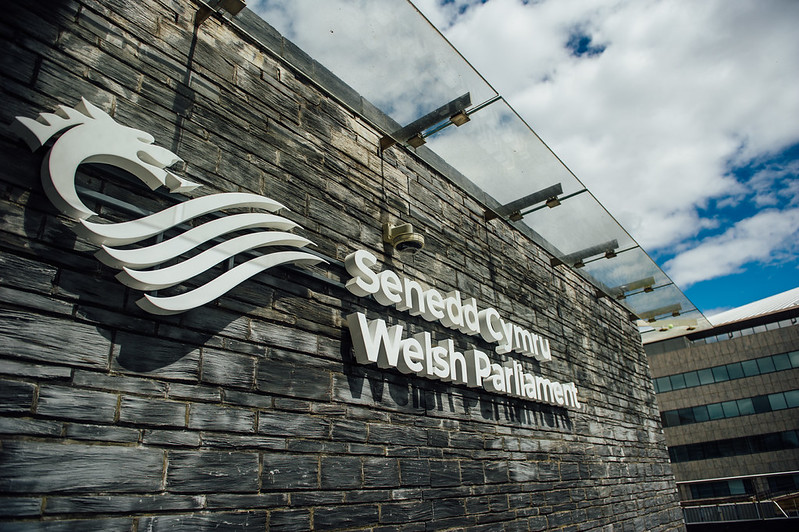
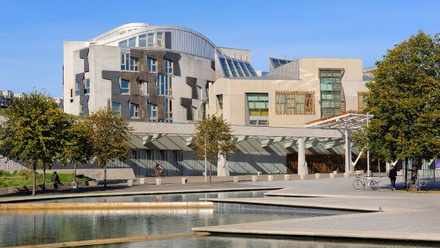
Image credit: Senedd Cymru / Welsh Parliament
An agreement was reached with Plaid Cymru, who hope to produce the next First Minister as their political fortunes rise, for most of this extra money to be allocated to health and services delivered by local councils.
The rest of the unallocated money has been left to spend after the election.
This agreement allowed the budget to pass (with Plaid Senedd Members abstaining) but it renders the budget “neutral”, as any major shifts in spending priorities have been avoided.
As such, it sees a continuation of spending towards the “bread and butter” of public services like health, education, social care, social support and waste management.
Delivery in these areas while avoiding cutting them is seen as a litmus test for Welsh Government performance, particularly by parties on the left, so we are likely to see them continue as priorities after the election.
Investment in health
The final Budget allocates an extra £180 million to the health and social care revenue (day-to-day) budget, taking total revenue spending in the department above £12.9 billion.
This money will be allocated in detail by local health boards and other bodies, such as Public Health Wales and Health Education and Improvement Wales, based on need and following Welsh Government policy priorities like reducing pressure on acute care and supporting community care.
This money will go towards day-to-day provisions including pay settlements, workforce maintenance and clinical services.
This indicates the will of political parties to provide stability for health services while driving down waiting lists – a key performance indicator for devolved governments.
This funding environment supports the continuation of existing public health nutrition initiatives delivered by Public Health Wales and the NHS.
Capital (investment) spending on health, however, remains at £626m, essentially plateauing compared to last year after inflation is taken into account.
This is largely because the Welsh Government is not beginning any new capital projects so close to an election.
We may well see an uplift in this number after the election through a supplementary budget to fund new initiatives and projects in health and social care.
Food health
While there were no specific allocations to food planning and food health initiatives, money will be spent on these areas through other bodies like councils, health boards and Public Health Wales.
These bodies will then distribute funding in more detail, guided by legislation, Welsh Government policies and assessment of need.
For this reason, we are likely to see maintenance of food health initiatives without significant additional investment, especially as high pressures continue on front-line services.
Conclusion
This budget can essentially be seen as a “rollover” from previous years, with major political decisions put off for the election and any negotiation that follows it.
We will be making the case throughout the election period and afterwards as the next Welsh Government takes shape, that prevention and early intervention are necessary to make long-term improvements to the NHS and save public money.
We’ll also be arguing that, in line with our 2026 Senedd election manifesto, the way to unlock this is through supporting the dietetic workforce, investing in dietetic education and training and trusting dietitians on food policy and public health.