Dr Samford Wong has received the Professional Achievement honour in recognition of over 10 years of exceptional work in nutrition and spinal cord injury (SCI).
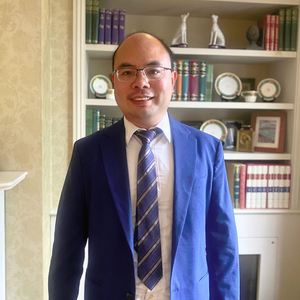
As Lead Dietitian at Buckinghamshire Healthcare NHS Trust and Honorary Reader at City St George’s University of London, he has worked tirelessly to advance evidence-based practice and care for people with SCI, led pioneering research and inspired collaboration nationally and internationally to advance nutritional knowledge in this area.
Samford shared what receiving this honour means to him.
What does it mean to you to receive the Professional Achievement honour?
I am delighted to have received the Professional Achievement honour. It’s like a stamp or approval of what I have achieved, especially as most of my career has been based in a non-teaching hospital which lacks an academic department or sponsored research posts.
I am lucky to have met and linked up with some really nice academic colleagues (then friends) from top universities. I wouldn’t be here without their support.
What drove you to become a dietitian in the first place and be where you are today?
I developed an interest in spinal cord injury and rehabilitation early on in my career. Through my PhD, I have developed an expertise in translational research that bridges clinical practice and academia.
Most of my patients sustained a spinal cord injury, a catastrophic condition that causes permanent disability. I really enjoyed it when my intervention makes a difference to people’s health.
Who inspires you?
My friends and colleagues inspire me. I have worked with some amazing dietitians since I started my dietetic course - some are passionate about clinical dietetic practice and some are at the top of their field in nutrition and dietetic research, promoting our knowledge of how nutrition impacts health and disease. I felt so lucky that I have known and worked with these dedicated colleagues and friends.
Working in the National Spinal Injuries Centre, I have direct access to first class specialists in spinal cord injury rehabilitation. Through their “monthly food for thought” meeting after work, I have expanded my research network and identified solid support for my PhD. The emotional strength and humour that has been needed to be able to hold onto, and enjoy the roller coaster of the last few years have come from the solid support and friendship of my close allies and family.
After work, I l love swimming and travelling with family and friends!
What advice would you give to future dietitians?
Follow your hearts. Teamwork matters – in addition to dietitians, making connections with the wider MDT can definitely help!
What has been the highlight to your dietetic career to date?
There are many. Delivering my first oral presentation in the Nutrition Society for my research work, I was surprised to see my undergraduate lecturer and professor were listening to my presentation. Once I had completed my presentation, I was relieved and thrilled to have received a “thumbs up” from them. That encouraged me to continue my work and to present again in future conferences. I still remember today receiving my first paper acceptance after four rounds of major amendments. It felt like a massive relief and the validation of my work.
Another special highlight was establishing a nutrition special interest group in the International Spinal Cord Society.
I was proud to be the founding chair of the ISCoS Nutrition Special Interest Group, now with more than 50 members from the wider multidisciplinary team (academic researchers, dietitians, speech and language therapists, physiotherapists, occupational therapists, nurses, psychologist and physician specialist in spinal cord injury rehabilitation) from around the world (14 countries).
Prior to that, nutrition and dietetics tended to be forgotten in the wider MDT, as the primary focus was restoring physical function after spinal cord injury.
Nutrition plays a crucial role in the health and recovery of people living with spinal cord injuries and disorders. It affects everything from wound healing and immunity to energy levels and long-term outcomes. Yet despite its importance, standardised nutrition datasets are still lacking in this field.
One of the key achievements today is to oversee the development of a standardised nutrition dataset for people with spinal cord injury.