Artificial intelligence tools like ChatGPT and Google’s AI summaries are now part of everyday life. Many people are already asking them for guidance on health topics, including diet and nutrition advice.
These tools can be helpful for quick information, but how accurate are they when it comes to nutrition and health?
To find out, we asked both ChatGPT and Google to answer five popular nutrition questions. Registered Dietitian and BDA spokesperson Nichola Ludlam-Raine has reviewed their responses and given her expert verdict.
Let's look at where AI gets things right, where it’s lacking, and what you should take away before trusting any digital tool with your health.
At a glance: is AI reliable for nutrition advice?
Short answer: AI can be a reasonable starting point. It explains basics clearly and often gets broad principles right. But it regularly misses nuance, overlooks risks and cannot factor in your personal circumstances, such as medical conditions or your own lifestyle. It should never replace personalised advice from a registered dietitian.
| AI is helpful for: | Beware using AI when: |
|---|---|
|
|
For each question, we’ve shared a quick summary of what the AI answers tended to suggest. Nichola then explains what the AI got right, what it missed and what matters most.
We’ve shared the full AI responses too, so you can see exactly what answers ChatGPT and Google provided. Let’s dive into the topics!
1- “Which diet is best for weight loss?”

What AI said
ChatGPT gave lists of well-known diets like Mediterranean, low carb, intermittent fasting and plant-based. Both tools said there is no one best diet and emphasised calorie deficit, balanced meals, whole foods and losing weight sustainably. ChatGPT tended to present diets positively, with little discussion of drawbacks. Google focused more on practical principles and professional support.
Dietitian verdict
ChatGPT’s response reads well but feels a bit surface-level and overly optimistic. It’s missing nuance around mental health, adherence and potential nutritional pitfalls.
Google’s response gives solid, safe guidance as a starting point. It’s better-rounded than ChatGPT’s in terms of real-world applicability and professional referral - but still misses the crucial human element of weight loss psychology.
I prefer Google’s approach - it’s a good generic starting point that encourages balanced eating and professional support.
However, neither source captures the whole picture: lasting weight loss isn’t just about what or when we eat, but also about why we eat - addressing the head (emotional eating), heart (motivation and values) and stomach (physical hunger) is essential for sustainable change.
| Where AI got it right | Where AI went wrong or lacked nuance |
|
|
Read the full AI answers
ChatGPT
When it comes to weight loss, the best diet is one that is sustainable, balanced, and fits your individual preferences and lifestyle. There's no one-size-fits-all approach, but here are a few popular diets that have been shown to be effective for many people:
1. Mediterranean Diet
-
What it involves: Emphasizes whole foods like fruits, vegetables, whole grains, healthy fats (olive oil), lean proteins (fish, poultry), and occasional red meat. It also includes nuts, seeds, and legumes.
-
Why it's good: It's not overly restrictive, focuses on heart-healthy fats, and has been shown to help with weight loss and reduce the risk of chronic diseases like heart disease and diabetes.
2. Low-Carb Diets (e.g., Keto, Atkins)
-
What it involves: Reducing carb intake and replacing it with higher amounts of protein and fats. The Keto diet, in particular, puts your body into ketosis (a metabolic state where fat is burned for fuel).
-
Why it's good: Many people experience rapid weight loss on low-carb diets, especially initially. Reducing carbs can also help control blood sugar levels and reduce hunger.
3. Intermittent Fasting (IF)
-
What it involves: Involves cycles of fasting and eating, such as the 16/8 method (16 hours of fasting, 8 hours of eating) or alternate-day fasting.
-
Why it's good: Helps create a calorie deficit by limiting eating windows, and it can lead to improved insulin sensitivity and fat burning. It’s more about when you eat rather than what you eat.
4. Plant-Based Diet (e.g., Vegan or Vegetarian)
-
What it involves: Focuses on plant-based foods like vegetables, fruits, whole grains, legumes, and nuts. Vegan diets exclude all animal products, while vegetarian diets include dairy and eggs.
-
Why it's good: Plant-based diets tend to be lower in calories and fat, and higher in fiber, which can help with weight loss. It’s also linked to a reduced risk of heart disease, cancer, and other chronic conditions.
5. Whole30
-
What it involves: A 30-day program that eliminates processed foods, sugar, grains, dairy, and legumes. After 30 days, foods are gradually reintroduced to assess their impact on your body.
-
Why it's good: Helps reset your eating habits by removing potentially inflammatory foods and focusing on whole, unprocessed foods. It may lead to significant weight loss during the 30-day period.
6. DASH Diet
-
What it involves: Primarily aimed at reducing high blood pressure, it focuses on eating whole grains, fruits, vegetables, lean proteins, and low-fat dairy while reducing sodium intake.
-
Why it's good: It's nutrient-dense and heart-healthy. While not specifically for weight loss, the DASH diet can lead to gradual weight loss due to its emphasis on healthy eating patterns.
Key Points to Consider:
-
Sustainability: Choose a diet you can stick with long-term, rather than something overly restrictive or difficult to maintain.
-
Calories in vs. calories out: Weight loss fundamentally comes down to creating a calorie deficit, which means you burn more calories than you consume.
-
Exercise: Incorporating physical activity can enhance the effectiveness of any diet.
Ultimately, the best diet is one that is balanced, includes foods you enjoy, and aligns with your health goals. What kind of approach resonates with you the most?
The best diet for weight loss is a sustainable, balanced approach that creates a calorie deficit you can stick to long-term, such as the Mediterranean diet or a balanced, whole-food approach focusing on fruits, vegetables, lean proteins, and whole grains. Key principles include eating more nutrient-dense, high-fiber foods to feel full on fewer calories, reducing high-calorie, low-nutrient foods like added sugars and processed foods, and increasing water intake and physical activity.
Principles of a Successful Weight Loss Diet
-
Calorie Deficit: Consume fewer calories than you burn to lose weight.
-
Balance and Variety: Include a wide range of nutrient-rich foods rather than cutting out entire food groups.
-
Sustainability: Choose a diet that fits your lifestyle and that you can maintain over time for lasting results.
Key Food Groups to Focus On
-
Fruits and Vegetables: Aim for at least five portions a day, as they are high in fiber, water, and nutrients but low in calories.
-
Lean Proteins: Include sources like chicken, fish, beans, lentils, and eggs to help you feel full.
-
Whole Grains: Choose high-fiber options like wholemeal bread, pasta, and brown rice to provide sustained energy and satiety.
-
Healthy Fats: Opt for unsaturated fats from foods like avocados, nuts, seeds, and olive oil to support health and fullness.
Foods to Limit
-
Processed and Sugary Foods: These offer empty calories and should be limited.
-
Sugary Drinks and Alcohol: These contribute significant calories without nutritional value.
-
High-Fat Foods: While some fats are healthy, high-fat foods are calorie-dense, so consume them in moderation.
Beyond Diet
-
Hydration: Drink plenty of water throughout the day to support digestion, metabolism, and weight loss.
-
Portion Control: Be mindful of portion sizes to manage calorie intake without feeling deprived.
-
Physical Activity: Regular exercise is crucial for overall health, weight loss, and maintaining a healthy weight.
Professional Guidance
If you have a BMI over 35 or weight-related health conditions, or if you find it hard to start, consider getting support from healthcare professionals or a personalized weight loss plan, according to the Oviva Group.
2- “Are ultra-processed foods bad for you?”
What AI said
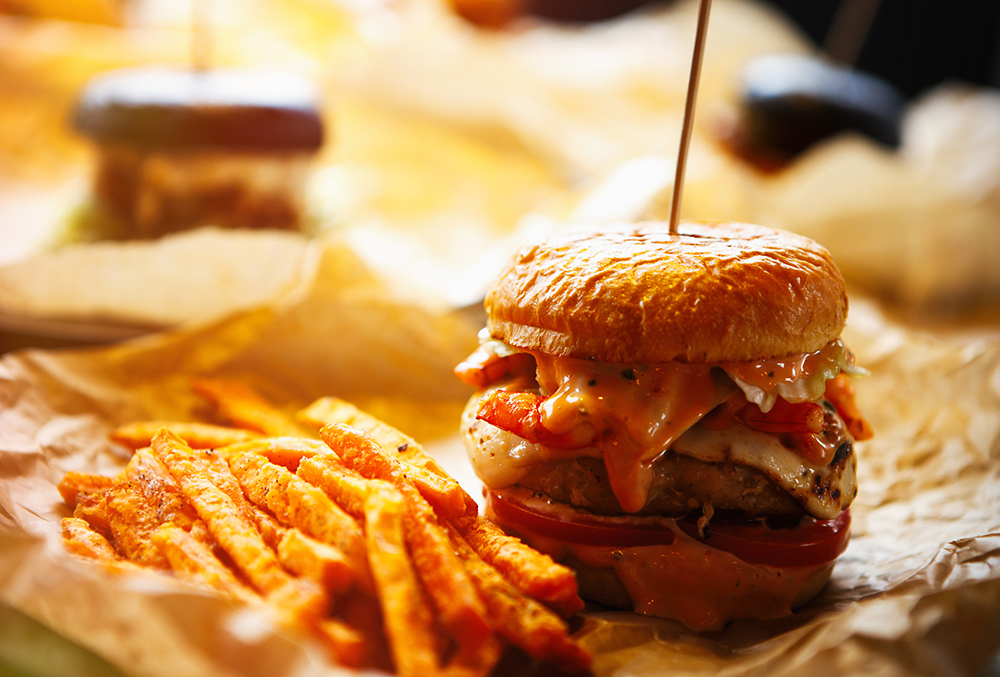
AI strongly warned against ultra-processed foods (UPFs) and linked them to several adverse health outcomes. It emphasised additives, sugar, salt, fat, overeating and gut health. Both tools advised limiting UPFs and focusing on whole foods. Neither distinguished between different types of UPFs or the role they play in an overall balanced diet.
Dietitian verdict
Both ChatGPT and Google agree that ultra-processed foods are generally detrimental when eaten in excess and that they’re linked to poor health outcomes. However, both responses overgeneralise and lack nuance - missing the fact that not all UPFs are equal and some can form part of a balanced diet.
ChatGPT’s answer paints all UPFs with the same brush rather than explaining that some can still contribute to a healthy, practical and sustainable diet.
Google’s response is more evidence-based and science-focused but still lacks the important nuance that not all UPFs are created equal. It risks fuelling unnecessary food fear.
I prefer Google’s version - it’s more grounded in the evidence and offers practical steps like label reading and prioritising whole foods. However, both answers miss an important nuance: UPFs come on a spectrum of healthfulness.
Not all are linked with disease; for example, plant-based drinks, baked beans, yoghurts as well as wholemeal breads and wholegrain breakfast cereals can support a balanced diet. The main issue is that too many HFSS UPFs (those high in fat, salt and sugar) crowd out more nutritious foods.
The goal isn’t total avoidance but reducing the less healthy UPFs and focusing on whole or minimally processed foods most of the time.
Neither answer mentions the psychological and behavioural side of eating - understanding why we reach for UPFs (convenience, comfort, emotion, habit) is key to making sustainable, positive changes.
| Where AI got it right | Where AI went wrong or lacked nuance |
|---|---|
|
|
Read the full AI answers
ChatGPT
Yes, ultra-processed foods are generally considered bad for your health when consumed regularly or in large amounts. Here's a breakdown of what that means and why:
🔬 What Are Ultra-Processed Foods?
Ultra-processed foods are industrial formulations made mostly or entirely from substances extracted from foods (e.g., oils, fats, sugar, starch, protein isolates) or synthesized in labs (e.g., artificial flavors, colors, preservatives).
Examples:
-
Packaged snacks (chips, cookies, candy)
-
Instant noodles and soups
-
Soda and sweetened drinks
-
Frozen ready meals (microwave dinners)
-
Fast food items
-
Processed meats (hot dogs, sausages)
⚠️ Why Are They Considered Harmful?
1. Nutrient Poor, Calorie Dense
Ultra-processed foods often contain:
-
High sugar
-
Excess sodium
-
Unhealthy fats (trans fats or refined seed oils)
-
Little fiber, protein, or essential nutrients
This leads to overeating and nutritional imbalances.
2. Linked to Chronic Diseases
Studies have shown associations between high intake of ultra-processed foods and:
-
Obesity
-
Type 2 diabetes
-
Heart disease
-
Certain cancers
-
Depression
3. Highly Palatable = Overconsumption
These foods are engineered to be hyper-palatable (tasty, convenient, addictive), which can override natural hunger cues.
4. Disrupt the Gut Microbiome
Artificial additives, emulsifiers, and low fiber content can harm gut health, which plays a crucial role in immune function, mood, and inflammation.
5. Possible Chemical Contaminants
Processing can introduce acrylamides, BPA, and other harmful substances, particularly from packaging or high-heat treatments.
✅ Are All Processed Foods Bad?
No. Processing itself is not the enemy. The term "ultra-processed" refers to a specific level of industrial alteration.
-
Minimally processed (e.g., frozen veggies, canned beans) = Generally fine.
-
Culinary ingredients (e.g., oil, salt, sugar used in moderation) = Acceptable.
-
Heavily processed (ultra-processed) = Best to limit
🥗 Bottom Line
You don't need to cut out all ultra-processed foods, but limiting them and focusing your diet around whole, minimally processed foods is a strong move for your long-term health.
Would you like a list of practical food swaps or a meal plan that reduces ultra-processed foods?
Yes, ultra-processed foods (UPFs) are generally considered bad for your health, with research linking their consumption to a higher risk of 32 harmful health outcomes. These include heart disease, Type 2 diabetes, obesity, certain cancers, depression, anxiety, and increased overall mortality. This is due to their high content of added sugars, salt, unhealthy fats, and various additives, coupled with a lack of beneficial nutrients like fiber and vitamins, which contribute to overeating, weight gain, inflammation, and gut dysbiosis.
Why Ultra-Processed Foods Are Harmful
-
Nutrient-Poor: UPFs are typically low in essential nutrients such as fiber, vitamins, and minerals, which are crucial for a healthy body.
-
High in Unhealthy Ingredients: They often contain excessive amounts of added sugar, salt, and saturated fats, contributing to issues like high blood pressure and abnormal cholesterol levels.
-
Impact on Appetite: The rapid absorption of these highly processed foods can bypass the body's natural fullness signals, leading to overeating and weight gain.
-
Added Additives: UPFs contain numerous industrial chemical additives that can negatively affect the gut microbiome and may contribute to inflammation.
-
Processing Itself: Even with similar nutrient profiles, the physical state of the food matters. The way UPFs are processed, such as grinding nuts, can change how the body absorbs their components, potentially releasing more fat.
-
Increased Calorie Intake: A high consumption of UPFs is linked to eating more calories overall, further contributing to weight gain and associated health problems.
Key Health Consequences
-
Cardiovascular Disease: Linked to a significantly increased risk of heart attacks, strokes, and high blood pressure.
-
Metabolic Disorders: Higher risk of Type 2 diabetes, obesity, and metabolic syndrome.
-
Cancer Risk: Research shows a connection between high UPF consumption and an increased risk of certain cancers.
-
Mental Health: Associations have been found with depression, anxiety, and potential impacts on brain function due to effects on the gut and neurotransmitters.
-
Weight Gain: UPFs are calorie-dense and can promote overeating, leading to weight gain and body fat.
-
Overall Mortality: Studies indicate that people who eat more UPFs may be at a greater risk of dying young.
What You Can Do
-
Prioritize Whole Foods: Focus on consuming whole or minimally processed foods, such as fruits, vegetables, whole grains, and lean proteins.
-
Read Labels: Be mindful of ingredient lists, especially for additives, high sugar content, and unhealthy fats.
Limit UPF Intake: Aim to reduce your overall consumption of ultra-processed foods to improve your long-term health.
3- “How do I boost my immune system?”

What AI said
AI promoted sleep, fruit and vegetables, exercise, hydration and stress reduction. It highlighted vitamins and minerals including vitamin C, D and zinc. ChatGPT offered more specific food examples. Both mentioned vaccines.
Dietitian verdict
Both ChatGPT and Google offer sensible, lifestyle-based advice on nutrition, sleep, stress and physical activity. However, both use the misleading phrase “boost your immune system”, which suggests overstimulating it - something we don't actually want. A healthy immune system is about balance and support, not “boosting”.
ChatGPT’s advice is solid and well-structured, but it falls into the common trap of “boosting” language and doesn’t clarify that immune health is about balance and lifestyle consistency, not quick fixes.
Google’s advice is concise and evidence-based but overly generic. It’s a good, safe starting point for the public, though it lacks practical examples and nuance.
I prefer Google’s advice - it’s cautious, evidence-informed and avoids overpromising results. However, neither gets the language quite right. We shouldn’t aim to “boost” the immune system, but rather to support it through consistent healthy habits.
A well-supported immune system depends on balance - eating a variety of nutrient-dense foods, managing stress, sleeping well and staying active - not taking supplements or cutting out food groups unnecessarily.
It’s also worth highlighting that too much focus on “immune-boosting” quick fixes (like high-dose vitamins) can distract from the basics, such as adequate sleep, whole foods, hydration and emotional wellbeing - all of which play a major role in helping the body stay resilient.
| Where AI got it right | Where AI went wrong or lacked nuance |
|---|---|
|
|
Read the full AI answers
ChatGPT
Boosting your immune system isn't about a magic pill or one-time fix—it's about building consistent, healthy habits that support your body over time. Here’s a straightforward guide:
✅ Core Lifestyle Strategies
-
Sleep well
-
Aim for 7–9 hours per night.
-
Poor sleep weakens immune defenses.
-
-
Eat a nutrient-dense diet
-
Focus on whole foods: fruits, vegetables, lean proteins, healthy fats.
-
Include:
-
Vitamin C (citrus, bell peppers)
-
Vitamin D (sunlight, fatty fish, fortified foods)
-
Zinc (nuts, seeds, legumes)
-
Probiotics (yogurt, kefir, sauerkraut)
-
-
-
Stay active
-
Moderate exercise (e.g. 30 mins/day, 5x/week) enhances immune response.
-
Avoid overtraining—it can suppress immunity.
-
-
Stay hydrated
-
Water helps produce lymph, which carries immune cells.
-
Limit sugary and alcoholic drinks.
-
-
Manage stress
-
Chronic stress suppresses immune function.
-
Try: deep breathing, mindfulness, journaling, time in nature.
-
-
Avoid harmful substances
-
Don’t smoke.
-
Limit alcohol.
-
Avoid recreational drugs
-
💊 Supplements (when needed)
If your diet is lacking or you have specific needs:
-
Vitamin D3 (especially in winter or if indoors a lot)
-
Vitamin C (short-term during illness or stress)
-
Zinc (avoid mega-doses)
-
Probiotic supplements (if gut health is compromised)
⚠️ Always consult a healthcare provider before starting new supplements.
🧬 Bonus Tips
-
Stay up to date with vaccines: Flu, COVID-19, etc.
-
Maintain a healthy weight: Obesity can impair immune function.
-
Good hygiene: Wash hands, avoid touching your face, etc
Would you like a sample daily routine to support your immune system?
To boost your immune system, prioritize lifestyle changes including a balanced diet rich in fruits, vegetables, and whole grains, regular moderate exercise, sufficient sleep, and stress management. You should also stay hydrated, avoid smoking, and limit excessive alcohol intake. Additionally, keep up with recommended vaccines and consult a healthcare provider before taking any new supplements.
Diet & Nutrition
-
Eat a balanced diet: Focus on a variety of fruits, vegetables, whole grains, lean proteins, and healthy fats.
-
Get essential vitamins and minerals: Ensure your diet provides sufficient vitamins like A, C, D, E, and minerals like zinc, which are vital for proper immune function.
-
Stay hydrated: Drinking adequate fluids throughout the day supports your immune system.
-
Avoid ultra-processed foods and excess sugar: These can weaken your immune system.
Exercise & Sleep
-
Exercise regularly: Engage in moderate-intensity exercise, such as brisk walking, several days a week to improve immune cell circulation.
-
Prioritize sleep: Aim for enough sleep to allow your immune system to function optimally.
Lifestyle Habits
-
Manage stress: Chronic stress can negatively impact your immune system, so finding ways to manage it is important.
-
Quit smoking: Tobacco use raises the risk for conditions that can harm the immune system.
-
Limit alcohol: Excessive alcohol consumption can weaken your immunity.
Vaccinations
-
Stay up-to-date on vaccines: Vaccines train your body to fight off specific germs and protect your immune system.
Consult a Healthcare Professional
-
Talk to your doctor: Before taking any new supplements or making significant changes to your diet or exercise routine, consult a healthcare provider, especially to discuss supplements and any underlying health conditions.
4- “How to lower cholesterol quickly”
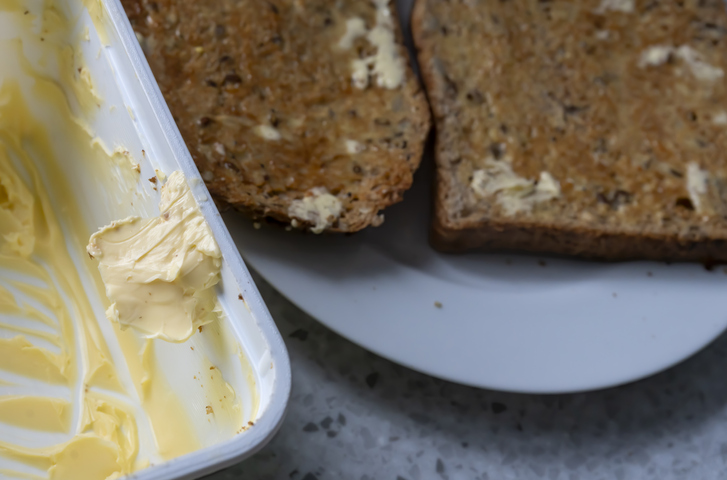
What AI said
AI promoted increasing soluble fibre, plant stanols and sterols, movement, reducing saturated fat, weight loss and quitting smoking. Both tools said medications may be needed. ChatGPT was more detailed and action heavy. Google was more medically cautious.
Dietitian verdict
Both ChatGPT and Google provide broadly accurate, evidence-based advice on how to lower cholesterol through diet, lifestyle and medication. However, both answers focus too heavily on the idea of “quick” results - when in reality, meaningful cholesterol reduction should be seen as part of a long-term heart health strategy, not a short-term fix.
ChatGPT gives a detailed, practical checklist - great for education, but too “quick-fix” in tone and slightly supplement-heavy. It needs a more realistic timeframe and stronger safety framing.
Google’s version is more responsible and medically grounded, but less practical and relatable than ChatGPT’s.
I prefer Google’s response - it’s more cautious, evidence-based and realistic about timeframes and professional involvement. However, both miss the opportunity to highlight that cholesterol management is a long-term lifestyle journey, not a quick fix.
The goal shouldn’t just be to lower cholesterol “quickly,” but to create habits that keep it in a healthy range for life - through balanced eating, regular activity, reducing saturated and trans fats and managing stress and sleep.
It’s also worth noting that not all fats are bad - replacing saturated fats with unsaturated ones (from olive oil, nuts, seeds and oily fish) is far more effective than going low-fat across the board. And, while foods fortified with plant sterols or stanols can help, they work best alongside a whole-food, Mediterranean-style diet and when necessary, medical support.
Finally, neither response mentions the psychological or behavioural side. Consistency, motivation and practical strategies for real-life eating are often what make the biggest difference in sustaining heart-healthy habits.
| Where AI got it right | Where AI went wrong or lacked nuance |
|---|---|
|
|
Read the full AI answers
ChatGPT
Lowering cholesterol quickly — especially if your doctor has advised it — involves making focused changes to your diet, lifestyle, and potentially medication. Here's a breakdown of the most effective ways:
⚡ QUICK WAYS TO LOWER CHOLESTEROL
✅ 1. Cut Out Trans Fats Immediately
-
Why: Trans fats raise bad (LDL) cholesterol and lower good (HDL) cholesterol.
-
How: Avoid processed snacks, baked goods, and anything with "partially hydrogenated oils."
✅ 2. Reduce Saturated Fats
-
Sources: Red meat, butter, cheese, whole milk, fried foods.
-
Action: Switch to lean proteins (like fish or beans), and use healthy oils (olive, avocado).
✅ 3. Eat More Soluble Fiber
-
Why: Soluble fiber helps reduce LDL cholesterol by binding it in the digestive system.
-
Top Foods:
-
Oats/oatmeal
-
Apples, oranges, berries
-
Beans/lentils
-
Psyllium husk (can be taken as a supplement)
-
✅ 4. Add Plant Sterols and Stanols
-
What: Naturally occurring substances in plants that lower LDL cholesterol.
-
How: Found in fortified foods like certain margarines (e.g., Benecol, Flora ProActiv), orange juice, and yogurt drinks.
✅ 5. Increase Physical Activity
-
Goal: At least 30 minutes per day, 5 days a week.
-
Best options: Brisk walking, jogging, cycling, swimming.
-
Exercise can:
-
Raise HDL (good cholesterol)
-
Lower triglycerides and LDL (bad cholesterol)
-
✅ 6. Lose Weight (If Overweight)
-
Even 5–10% weight loss can improve cholesterol levels.
-
Target: Slow, sustainable weight loss is better than crash diets.
✅ 7. Avoid Smoking & Limit Alcohol
-
Smoking lowers HDL and damages blood vessels.
-
Alcohol in excess raises triglycerides.
✅ 8. Consider Supplements (with Doctor Approval)
-
Omega-3 fatty acids: Lower triglycerides
-
Psyllium husk: Adds soluble fiber
-
Niacin (vitamin B3): Can lower LDL and raise HDL — but only under medical supervision
-
Red yeast rice: Natural statin-like effect, but should be used with caution
✅ 9. Medication (if lifestyle isn't enough)
-
If your LDL is very high or you have other risk factors, your doctor may prescribe:
-
Statins
-
Ezetimibe
-
PCSK9 inhibitors
-
Bile acid sequestrants
-
⏱️ How Fast Can You See Results?
-
Diet & lifestyle changes: Expect results in 4–6 weeks, sometimes sooner.
-
Medication: Can lower cholesterol significantly within 2–4 weeks.
💡 Pro Tip: Combine Strategies
A multi-pronged approach (e.g., diet + exercise + fiber + meds) works faster and more effectively than doing just one thing.
If you'd like, I can help you create a 1-week rapid cholesterol-lowering meal plan or a simple checklist to follow daily. Let me know!
To quickly lower cholesterol, consult a healthcare professional about cholesterol-lowering medications like statins, which can be effective within a month, and adopt a diet rich in soluble fiber, plant sterols/stanols, healthy fats, and low in saturated fat. Regular exercise and quitting smoking also provide significant benefits to cholesterol levels and overall heart health.
Lifestyle and Dietary Changes
-
Increase Soluble Fiber: Eat foods rich in soluble fiber, such as oats, barley, legumes (beans, lentils), apples, citrus fruits, and chia seeds.
-
Incorporate Plant Sterols and Stanols: Consuming 1.5–2.4g of plant sterols or stanols daily, through fortified foods, can lower LDL cholesterol in two to three weeks.
-
Reduce Saturated Fat: Limit your intake of foods high in saturated fats, like red meat, full-fat dairy, and processed foods.
-
Add Healthy Fats: Include sources of heart-healthy unsaturated fats, such as nuts, avocados, and fatty fish like salmon and tuna.
-
Exercise Regularly: Aim for at least 150 minutes of moderate-intensity exercise, like fast-paced walking, swimming, or cycling, each week to lower "bad" (LDL) cholesterol and increase "good" (HDL) cholesterol.
-
Quit Smoking: Quitting smoking offers quick benefits to your cholesterol and reduces your risk of heart attacks.
Medical Interventions
-
Cholesterol-Lowering Medications: Statins are a common and fast-acting medication for high cholesterol, often reducing levels within a few weeks. Other options include niacin, fibrates, and bile acid sequestrants, notes the Mayo Clinic.
Consult a Healthcare Professional: Discuss your cholesterol levels with a doctor to determine the most appropriate and effective treatment plan for you, which may include a combination of medication and lifestyle changes.
5- “Make me a diet plan for Ozempic or Mounjaro”

What AI said
AI recommended smaller meals, higher protein, whole foods, hydration and limiting fried or fatty foods. ChatGPT gave more specific calorie ranges and protein targets. Google focused on side effect management, safe eating patterns and nutrient density. Neither addressed psychological changes or emotional eating.
Dietitian verdict
Both ChatGPT and Google offer largely sensible advice on what to eat when taking GLP-1 receptor agonists (like Ozempic and Mounjaro), highlighting the importance of protein, hydration and smaller meals.
However, both answers frame the question too much around “weight loss” rather than safe, sustainable nutrition while using medication - and neither fully addresses the behavioural or psychological side of eating while appetite is suppressed.
ChatGPT’s response is very practical but overly fitness-focused - it reads more like a macro-based weight loss plan than a supportive, dietitian-guided approach to eating well while on medication.
Google’s response is medically accurate and cautious, with a more holistic emphasis on safety and balance rather than fast results. It’s less flashy but more responsible overall.
I prefer Google’s approach - it’s more balanced, safety-focused and realistic about how these medications work. It acknowledges the importance of nutrient density and professional support, rather than treating GLP-1 drugs as a shortcut.
ChatGPT’s plan is practical and well laid out but a bit too prescriptive and calorie-driven, which could be problematic for those experiencing appetite suppression or food aversion.
The goal with Ozempic or Mounjaro isn’t just to eat less, but to nourish your body well on less - prioritising protein, fibre, hydration and variety to maintain muscle mass and prevent deficiencies. Neither response touches on the psychological aspects - such as adjusting to smaller portions, recognising true hunger, or avoiding emotional eating once appetite returns.
These medications change not just how much you eat, but also how you feel about food, and that’s where dietitian guidance makes a real difference. The key takeaway: support your health, not just your weight loss. A slow, balanced approach - combining medication with mindful eating, resistance exercise and whole foods - delivers the best long-term results.
| Where AI got it right | Where AI went wrong or lacked nuance |
|---|---|
|
|
Read the full AI answers
ChatGPT
Here's a structured diet plan tailored for someone using Ozempic (semaglutide) or Mounjaro (tirzepatide) for weight loss. These medications help regulate appetite and blood sugar, but your diet still matters a lot for maximizing fat loss, maintaining muscle, and avoiding side effects like nausea.
🔑 Key Diet Principles on Ozempic/Mounjaro
-
Small portions – These meds slow gastric emptying, so large meals can cause nausea.
-
High protein – Essential to preserve muscle while losing weight.
-
Low processed carbs – Helps stabilize blood sugar and support fat loss.
-
Healthy fats – Keeps you satiated, supports hormones.
-
Hydration – Very important; dehydration is common.
⚖️ Calorie Range
Your calorie target will depend on your age, sex, weight, and activity level. But here's a rough guideline:
-
Women (moderate activity): 1,200–1,600 kcal/day
-
Men (moderate activity): 1,500–1,900 kcal/day
🔹 On these meds, appetite is often reduced, so you may naturally fall within these ranges. The key is making sure what you do eat is nutritious and protein-rich.
🗓️ Sample Daily Meal Plan (Approx. 1,400–1,600 kcal)
🥣 Breakfast (300–350 kcal)
-
Option 1:
2 scrambled eggs with spinach and feta + 1 slice whole grain toast
½ avocado -
Option 2:
Greek yogurt (unsweetened, ¾ cup) + handful berries + 1 tbsp chia seeds
10 almonds
✅ Protein: 15–25g | Low sugar | Easy to digest
🍽️ Lunch (400–500 kcal)
-
Option 1:
Grilled chicken breast (4 oz)
Roasted sweet potato (½ cup)
Steamed broccoli
Olive oil drizzle -
Option 2:
Salad with tuna (3 oz), avocado, mixed greens, cherry tomatoes
Olive oil + vinegar dressing
✅ Protein: 25–30g | Balanced carbs/fats | Filling but light
🥗 Dinner (400–500 kcal)
-
Option 1:
Baked salmon (4 oz)
Cauliflower rice
Zucchini sautéed in olive oil -
Option 2:
Turkey meatballs (lean, 3–4)
Steamed green beans
Small serving of quinoa
✅ Light, high protein, low GI carbs — helps prevent nausea at night.
🍎 Snacks (1–2 small snacks, 150–250 kcal total)
Pick based on hunger level and macros.
-
1 boiled egg + 6 almonds
-
String cheese + apple slices
-
Protein shake (≤150 kcal, ≤5g sugar)
-
Cottage cheese (½ cup) with cucumber slices
-
Seaweed + a handful of edamame
✅ Keep snacks protein-focused with low sugar and no heavy carbs.
🥤 Fluids
-
Water: Aim for 2–3 liters/day
-
Herbal teas: Ginger or peppermint tea can ease nausea
-
Limit: Caffeine, alcohol, carbonated drinks (can worsen GI symptoms)
🚫 Foods to Avoid or Limit
|
Food |
Why to Limit |
|
Fried foods |
Hard to digest, nausea trigger |
|
Sugary drinks |
Blood sugar spikes |
|
Large portions of carbs |
Can cause bloating and glucose spikes |
|
Alcohol |
Can worsen GI side effects + calorie bomb |
|
High-fat greasy meals |
Often trigger nausea |
🏋️♀️ Bonus: Protein Targets
-
Aim for 0.7–1g of protein per pound of goal body weight.
-
Example: If your goal weight is 150 lbs → aim for 105–150g protein/day
-
Use protein shakes or lean meats to hit this if your appetite is low.
✅ Final Tips
-
Eat slowly – Ozempic/Mounjaro slow digestion; fast eating = nausea
-
Listen to your hunger cues – These meds blunt appetite; don’t force large meals
-
Track your protein – It's more important than calories in many cases
-
Prep meals – Helps when you're not in the mood to cook or eat
Would you like a 7-day meal plan, or something adjusted for specific needs like vegetarian, low-FODMAP, or intermittent fasting?
To create an effective diet plan for Ozempic or Mounjaro, focus on high-protein, high-fiber whole foods, and maintain a consistent calorie deficit. These medications work by slowing digestion and reducing appetite, making it crucial to choose nutrient-dense foods to prevent malnutrition and manage side effects like nausea and constipation.
Core principles for your diet
-
Prioritize lean protein: Aim for 20–30 grams of protein with each main meal to preserve muscle mass, boost metabolism, and increase feelings of fullness.
-
Focus on high-fiber foods: Fiber-rich foods aid digestion, help prevent constipation, and keep you feeling full for longer.
-
Choose complex carbohydrates: Opt for whole grains over refined carbs for a steady release of energy without causing blood sugar spikes.
-
Include healthy fats in moderation: Fats from sources like olive oil and avocado help with satiety and the absorption of fat-soluble vitamins. Since fatty foods can cause digestive upset for some, start with small portions.
-
Stay hydrated: Drink plenty of water throughout the day. This helps with digestion, prevents dehydration (especially if you experience diarrhea or vomiting), and can also enhance the feeling of fullness.
-
Eat smaller, more frequent meals: Your appetite will be significantly reduced, and larger meals may cause discomfort and nausea due to slower digestion. Eating smaller meals or snacks more frequently can help.
Foods to eat and include
|
Category |
Examples |
|
Lean Protein |
Skinless chicken and turkey breast, fish (salmon, cod), eggs, tofu, lentils, beans, and low-fat dairy like Greek yogurt. |
|
Complex Carbs |
Oats, brown rice, quinoa, whole-wheat bread and pasta, sweet potatoes, and legumes. |
|
Fruits |
Berries, apples, pears, grapefruit, and kiwi are high in fiber and nutrients. Choose whole fruit over juice to retain fiber. |
|
Vegetables |
Non-starchy vegetables are low-calorie and high in fiber. Good options include leafy greens, broccoli, peppers, mushrooms, and carrots. |
|
Healthy Fats |
Avocado, nuts, seeds (chia, flax), and olive oil. |
|
Drinks |
Water, herbal teas (ginger or peppermint can help with nausea), and clear broths. |
Foods to limit or avoid
-
High-fat foods: Fried and greasy items like fast food, processed meats (sausage, bacon), and creamy sauces can worsen digestive side effects like nausea.
-
Added sugars and refined carbs: Sweetened drinks, candy, pastries, and white bread or pasta offer low nutritional value and can spike blood sugar.
-
Spicy foods: These can irritate your stomach and cause discomfort.
-
Alcohol: High in empty calories and can worsen medication side effects. If you choose to drink, do so in moderation.
Sample 3-day meal plan
This is a general template. Your exact calorie needs and meal timing may vary based on side effects and personal preferences.
Day 1
-
Breakfast: Greek yogurt with berries, chia seeds, and a handful of almonds.
-
Lunch: Grilled chicken salad with mixed greens, cucumber, tomatoes, and an olive oil vinaigrette.
-
Dinner: Baked salmon with quinoa and steamed asparagus.
-
Snack: Apple slices with a tablespoon of almond butter.
Day 2
-
Breakfast: Scrambled eggs with spinach and a slice of whole-wheat toast.
-
Lunch: Lentil soup with a side of whole-grain crackers.
-
Dinner: Stir-fried tofu with broccoli, carrots, and brown rice.
-
Snack: A small handful of unsalted mixed nuts and seeds.
Day 3
-
Breakfast: Overnight oats with low-fat milk, blueberries, and a sprinkle of walnuts.
-
Lunch: A whole-wheat wrap with turkey breast, lettuce, and hummus.
-
Dinner: Turkey meatball marinara made with lean turkey mince and served with whole-wheat pasta.
-
Snack: Carrot sticks with a small serving of hummus.
Important considerations
-
Consult a professional: Before making significant changes to your diet, consult with a healthcare provider or a registered dietitian. They can provide personalized advice and ensure you are meeting your nutritional needs safely.
-
Monitor and adjust: Pay attention to how your body reacts to different foods, especially if you experience digestive side effects. You may need to adjust your diet as your body adapts to the medication.
-
Prioritize overall well-being: Use this time to build sustainable healthy habits. The goal is not just weight loss, but long-term health, which includes regular physical activity in addition to your diet.
This is for informational purposes only. For medical advice or a diagnosis, consult a professional. AI responses may include mistakes. Learn more
Overall findings: where AI helps and where it falls short

Nichola says, “After comparing ChatGPT and Google’s responses to common diet and health questions, it’s clear that while both tools can provide a useful starting point, neither offers the full picture.
“ChatGPT tends to give detailed, easy-to-read answers with practical examples, but it often misses important nuances - such as the downsides of restrictive diets, the emotional side of eating, or the fact that not all ultra-processed foods are equally unhealthy.
“Google’s responses are generally safer and more evidence-based, frequently directing readers towards healthcare professionals, but can feel generic and lack the depth or personalisation needed to help people make lasting changes.
“Where both fall short is in addressing the human side of nutrition - our habits, emotions and motivations - which are key to long-term success.”
So, should you trust AI for nutrition advice?
Nichola says, “AI tools like ChatGPT and Google can be a great starting point for health information - they remind people of the basics like eating more whole foods, sleeping well and staying active - but they can’t replace professional, personalised advice.
“AI lacks context. It can’t take into account your medical history, lifestyle, or relationship with food. My advice is to use it as a learning tool, not a treatment plan - it’s fine for general guidance but always check information against reliable sources like the NHS or speak to a registered dietitian.
“Nutrition isn’t one-size-fits-all, the best plan is the one that’s balanced, sustainable and realistic for you. AI can tell you what to eat, but it can’t support your motivation, emotions, or mindset - and that’s where real, lasting change happens.”