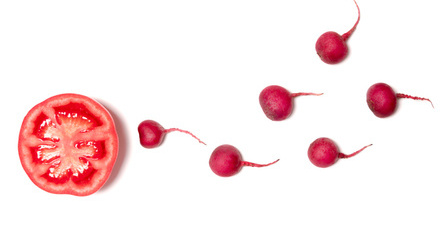
Specialist Fertility and Maternal Weight Management Dietitian Eugenia Grand answers common questions about male fertility and nutrition.
Fertility isn’t just a woman’s issue - men play a big part, too. In my practice, I often hear men ask how their eating habits and lifestyle choices might affect their chances of having a healthy baby.
June is Men’s Health Month - a chance to talk openly about what really bothers men when it comes to their fertility. Let’s use this moment to raise awareness and support men’s health as they take steps toward fatherhood.
Men often want to know how long it takes to improve sperm health, what foods or supplements actually help, and how things like alcohol and caffeine affect their fertility.

What are the main factors affecting my fertility?
Infertility has become more common in recent years, with male factors causing 20–30% of infertility cases and playing a role in about half of all cases1,4. The male partner needs sperm that can reach the egg to fertilise it and allow conception2. Sperm is made and stored in the testicles, so damage from infection, injury, or surgery can affect sperm quality.
Here are some common reasons why fertility problems can happen5:
- Sperm production: Sometimes the testicles can’t make sperm, which can happen because of enlarged veins (varicoceles) or medical treatments like chemotherapy that harm the cells that produce sperm
- Abnormal sperm function and quality: Problems that change the shape, count or movement of sperm
- Hormonal issues: Low testosterone levels, etc
- Ejaculatory and erectile dysfunction: Ejaculatory disorders result from conditions that interfere with the ejaculation process; erectile dysfunction can happen for many reasons, including unhealthy lifestyle habits
- Inherited or genetic factors: For example, men with cystic fibrosis may lack the tube that transports sperm, leading to infertility. Other genetic disorders, such as Klinefelter’s syndrome, can also cause infertility2.
Lifestyle factors that can reduce both sperm count and sperm motility3:
- Smoking
- Regular use of marijuana and other recreational drugs
- Chronic alcohol intake
- Anabolic steroid use and high-intensity exercise
- Toxins such as pesticides, lead, paint, solvents, radiation and heavy metals
- Western-style diet
- Stress
- Heat exposure
- Sedentary behaviour
Can I improve my fertility issues or even reverse them?
Improvement is often possible, depending on the underlying cause. Addressing infections, correcting a varicocele, or making focused changes to diet, exercise, stress management, and sleep can all help enhance sperm quality.
What foods should I eat to improve sperm quality?
I usually recommend a Mediterranean-style diet which includes brightly coloured fruits and vegetables, wholegrains, nuts and seeds, and healthy fats (like omega-3s from salmon). It does not mean that you have to eat all these foods every day, but including them at least now and again will be beneficial as a starting point.
Are certain nutrients actually important?
Zinc from foods like pumpkin seeds, beef, and lentils is vital for male reproductive health. Folate in leafy greens such as spinach helps protect sperm DNA. Antioxidants in berries, vegetables, nuts, and seeds shield sperm from damage. Omega-3s in oily fish like salmon support healthy sperm cell membranes. Selenium, found in Brazil nuts, fish, meat, and eggs, can improve sperm quality. Coenzyme Q10 in meat, chicken, and fish provides antioxidant support. Carnitine in meat, poultry, fish, and dairy helps sperm move better and acts as an antioxidant.
Which foods should I stay away from?
A balanced diet is key: you can eat most foods, but healthier options more often and less healthy foods occasionally. Here is more detailed advice:
- Limit saturated fats from animal products like fatty meats, butter, cream, cheese, and full-fat dairy. Instead, choose more plant-based unsaturated fats, such as extra virgin olive oil, nuts, and seeds
- Cut back on processed foods like cakes, biscuits, ice cream, chocolate, pizza, pastries, burgers, sausages, and other processed meats
- Reduce salt and added sugar by limiting processed foods, sugary drinks, and sweets
- Limit artificial trans fats found in partially hydrogenated oils, as they raise bad cholesterol and lower good cholesterol, and can also negatively affect male fertility. Though UK intake is now low, check food labels for “hydrogenated fats” in products like biscuits, cakes, and fried foods6
- Limit takeaways and dining out to once a week or less. Home-cooked meals are best, allowing you to use fertility-friendly ingredients and better support your fertility
Does my microbiome play any role in fertility?
Emerging research highlights that bacteria in seminal fluid may affect sperm function and even embryo development. An imbalance may lead to inflammation, morphology, or motility issues7.
Each person’s microbiome is unique and changes over time due to genetics, diet, environment, and other factors. The gut and the male reproductive system interact through the microbiome, which can affect testosterone levels, sperm production, and testicular function.
An imbalance in these microbes may increase oxidative stress and contribute to male infertility. Probiotics may help restore balance, but more research is needed8.
Do supplements help improve fertility?
Numerous studies have examined the benefits of vitamin and mineral supplements for male fertility. As we discussed above, nutrients such as zinc, selenium, vitamin C, D, and E, Coenzyme Q10, and omega-3 fatty acids are important for optimising male health and fertility.
However, taking excessive amounts of antioxidants can disrupt important bodily functions. Supplementing based on individual diet, fertility and test results is usually more effective than taking large amounts of supplements without guidance.
Which supplements are beneficial to take?
Vitamin D is important for fertility, and the government recommends that everyone should take a daily 10 microgram supplement during autumn and winter, as sunlight isn’t strong enough for your body to produce enough vitamin D. It’s hard to get enough from food alone, so supplements are advised for everyone, including men with infertility or healthy men preparing for fertility treatment with their partner. From late March to September, most people can get enough vitamin D from sunlight, provided they spend time outside and have a balanced diet, so supplements may not be necessary during these months9.
Speak to a registered dietitian if you are considering taking any other supplements to help optimise your fertility.
Can I continue taking protein powder before or during the fertility treatment?
Protein powder can help meet your protein needs, but if you’re dealing with infertility or planning to conceive, choose carefully.
Some powders, especially plant-based ones, may contain heavy metals like lead10 or unwanted ingredients such as added sugars and fillers. Exposure to heavy metals like lead, mercury, and arsenic can negatively affect reproductive health11. More research is needed in this area; however, it’s important to note that the levels of these heavy metals are very small and occur naturally, as they are absorbed by plants from soil and water. Choose brands that undergo independent testing, clearly list their ingredients, and are transparent about what they contain. Be aware that some products may contain harmful steroids12, 13, which can pose health risks and negatively affect male fertility.
Always check the ingredient list, and consult a registered dietitian if you have any questions.
Do I need to stop drinking alcohol?
Limit alcohol to no more than 14 units per week, as too much can lower testosterone, reduce sperm quality, and harm fertility14.
Men trying to conceive should cut back or avoid alcohol to support fertility and a healthy pregnancy.
Can I continue drinking coffee?
Moderate caffeine intake does not harm fertility in men, but the evidence on medium to high consumption was inconclusive, with only one systematic review noting that high caffeine intake may lower semen quality15.
Most studies show caffeine from coffee, tea, and cocoa does not affect semen, but cola and energy drinks may have negative effects16.
Some research links high caffeine to sperm DNA issues and a longer time to pregnancy15.
Current recommendations suggest limiting caffeine to moderate levels until more research is available. Moderate caffeine intake is defined as no more than 400 milligrams per day, roughly equivalent to 4 to 5 cups of tea or coffee17.
Are fizzy drinks safe for my fertility?
Some studies suggest that sugar-sweetened beverages may harm semen quality and sperm count, but the results are inconsistent18. Research on the effects of artificially sweetened drinks and energy drinks is still in its early stages, and their effects on male fertility are not yet well understood.
Therefore, while higher intake of sugar-sweetened beverages has been linked to lower semen quality, this does not necessarily mean it leads to reduced fertility18.
I recommend reducing the intake of sugar-sweetened beverages (including regular energy drinks). Artificially sweetened drinks should be consumed in moderation, and most fluids should come from water or other unsweetened, caffeine-free beverages.
My partner was told to lose weight before fertility treatment. Does my weight impact our chances?
Overweight or obesity is linked to a higher risk of male infertility. Even carrying a little extra weight can lower sperm count and motility, and these issues become more serious as BMI increases19.
Maintaining a healthy weight through good nutrition and regular physical activity can help support better fertility.
Summary
- Many factors can influence male fertility, including diet, lifestyle, weight, and environmental exposures
- The good news is that even small, healthy changes can have a positive impact
- Since it takes about two to three months for new sperm to develop, try to make dietary and lifestyle improvements at least two to three months before beginning fertility treatment for the best results
- If you have questions or would like personalised advice, consult your medical team or a registered dietitian specialising in fertility
References
- Agarwal et al. 2021. Male Infertility. Available at: Male infertility - The Lancet
- British Fertility Society. Male Factor. Available at: Male Factor » British Fertility Society
- British Fertility Society. Causes of Male Infertility. Available at: Causes-of-Male-Infertility.pdf
- Liang et al. 2025. Global, regional, and national prevalence and trends of infertility among individuals of reproductive age (15–49 years) from 1990 to 2021, with projections to 2040. Available at: Global, regional, and national prevalence and trends of infertility among individuals of reproductive age (15–49 years) from 1990 to 2021, with projections to 2040 | Human Reproduction | Oxford Academic
- NICE (2023), What are the causes of infertility? Available at: Causes | Background information | Infertility | CKS | NICE
- British Heart Foundation. Fats explained: saturated, unsaturated and trans fats. Available at: Fats explained: saturated, unsaturated and trans fats - BHF
- Magill and MacDonald, 2023. Male infertility and the human microbiome. Available at: Frontiers | Male infertility and the human microbiome
- Kaltsas et al. 2025. The Androbactome and the Gut Microbiota–Testis Axis: A Narrative Review of Emerging Insights into Male Fertility. Available at: The Androbactome and the Gut Microbiota–Testis Axis: A Narrative Review of Emerging Insights into Male Fertility
- NHS (2020). Vitamin D. Available at: Vitamin D - NHS
- Bethencourt-Barbuzano et al. 2025. Quantifying lead and cadmium in protein supplements: Insights into dietary exposure and health risk. Available at: Quantifying lead and cadmium in protein supplements: Insights into dietary exposure and health risks
- Macroni et al. 2026. Heavy metals and human reproductive toxicity: Mechanisms, pregnancy outcomes, and mitigation strategies. Available at: Heavy metals and human reproductive toxicity: Mechanisms, pregnancy outcomes, and mitigation strategies - ScienceDirect
- Abbate et al. 2014. Anabolic steroids detected in bodybuilding dietary supplements – a significant risk to public health. Available at: Anabolic steroids detected in bodybuilding dietary supplements – a significant risk to public health - Abbate - 2015 - Drug Testing and Analysis - Wiley Online Library
- Alaedini et al. 2021. Survey of protein-based sport supplements for illegally added anabolic steroids methyltestosterone and 4-androstenedione by UPLC-MS/MS. Available at: Survey of protein-based sport supplements for illegally added anabolic steroids methyltestosterone and 4-androstenedione by UPLC-MS/MS - ScienceDirect
- Nguyen-Thanh T., Hoang-Thi A.P., and Thi Anh Thu, 2023. Investigating the association between alcohol intake and male reproductive function: A current meta-analysis. Available at: https://www.sciencedirect.com/science/article/pii/S2405844023029304
- Ricci et al. 2017. Coffee and caffeine intake and male infertility: a systematic review. Available at Coffee and caffeine intake and male infertility: a systematic review - PMC
- Wesselink et al. 2017. Caffeine and caffeinated beverage consumption and fecundability in a preconception cohort. Available at: Caffeine and caffeinated beverage consumption and fecundability in a preconception cohort - PMC
- BHF (2026). Is caffeine bad for you? How much is too much? Available at: Is caffeine bad for you? How much is too much? - BHF
- Nassan et al. 2021. Association between intake of soft drinks and testicular function in young men. Available at Association between intake of soft drinks and testicular function in young men | Human Reproduction | Oxford Academic
- Santi et al. 2023. Does an increase in adipose tissue ‘weight’ affect male fertility? A systematic review and meta-analysis based on semen analysis performed using the WHO 2010 criteria. Available at: Does an increase in adipose tissue ‘weight’ affect male fertility? A systematic review and metaâanalysis based on semen analysis performed using the WHO 2010 criteria - Santi - 2024 - Andrology - Wiley Online Library
Additional references
Agarwal et al. 2025 Mediterranean Diet, Semen Quality, and Medically Assisted Reproductive Outcomes in the Male Population: A Systematic Review and Meta-Analysis. Available at: https://www.sciencedirect.com/science/article/pii/S2161831325000900?via%3Dihub
E. Grand, 2025. Men's Health Week 2025: What's changed in diet and male fertility research in the last five years? Available at: https://www.bda.uk.com/resource/men-s-health-week-2025-let-s-examine-what-has-changed-in-diet-and-male-fertility-research-in-the-last-five-years.html