NHS leaders must make flexible working the norm to deliver better patient care and help resolve the staffing crisis, say unions today.
A coalition of 18 health unions, including the BDA, has launched a new initiative to promote more choice for staff over how, when and where they work.
The Get Ahead on Flex pledge is aimed at getting employers to speed up their progress on working arrangements that allow more freedom such as team-rostering and ‘any hours’ contracts, which offer staff the hours they want to work from the outset, say unions.
Those who sign up will commit to highlighting flexible working in every job advert, setting targets to increase the number of requests approved, publish data, such as on the number of requests staff make and train all managers on how to champion choice for workers.
At present, all NHS workers, including dietitians, have the right to request flexible working from day one of employment and to make unlimited requests without providing a reason.
However, despite this, the BDA, along with other health unions, say that health workers often struggle to access the flexibility they need, for example for childcare and family commitments. The inconsistent approach by employers has created a postcode lottery across the NHS.
Some staff are being forced to accept less favourable contracts – or bank shifts, which are lower paid – in return for being granted flexible working. Employers often reject applications from workers who want to determine their own schedule and instead insist that they must fit in with rigid shift patterns.
The health unions say flexible working should be adopted as standard to help attract and retain experienced staff. Tens of thousands of workers have already left the health service due to poor work-life balance, according to data.
Get Ahead on Flex is also aimed at ensuring managers know how to handle requests in a way that benefits individual staff. The campaign also encourages them to take the initiative to redesign jobs and services to meet the needs of staff and patients.
The benefits of flexible working, such as better performance and higher quality care for patients, are well-understood at the policy level. But the unions say that financial and other pressures on the health service get in the way of real change.
In England, a new standard on flexible working is expected to be introduced for NHS employers in April as part of the government's 10-year workforce plan. Trusts who sign up and meet the commitments of the Get Ahead on Flex pledge will already have a head start on implementing the new standards, say the unions.
Chair of the NHS unions and UNISON head of health Helga Pile said “Too many NHS staff are struggling to balance work with other parts of their life, including caring commitments. This affects their health and wellbeing, and forces many to consider jobs elsewhere.
“The NHS has long talked about the importance of improving flexible working options. However, old-fashioned attitudes and rigid one-size-fits all shift patterns are still getting in the way.
“This pledge provides a real opportunity to improve working life for staff and give patients a better service.”
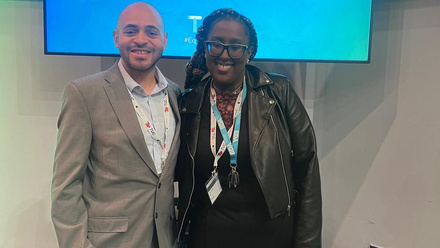
Commenting on what this campaign means for the dietetic workforce, BDA Director of Trade Union and Employment Relations Sonila Ellahi, said “We fully support this campaign and hope it will empower members to initiate conversations with line managers around flexible working, helping members to achieve better work life balance as a result.
"The Talk about Flex website is an amazing initative by health unions and offers our dietetic members acess to a wealth of information about flexible working at their fingertips."
Members are encouraged to visit the Talk about Flex website to:
- Understand the different types of flexible working available
- Identify what type of flexible working option fits their role and personal situation
- Learn how to start conversations with line manager about making flexible working a reality