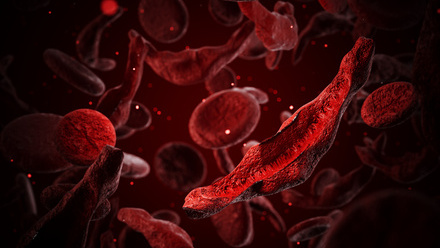
In the second part of her interview with sickle cell specialist dietitian Deborah Fletcher, Dr Claudine Matthews investigates some of the challenges, gaps and opportunities in this emerging specialism of sickle cell nutrition. Read the first part here.
The publication of the inaugural chapter on ‘Sickle cell and other haemoglobinopathies’ in the seventh edition of the Manual of Dietetic Practice1 provides a valuable evidence base to support dietetic practice and confirms sickle cell nutrition as an emerging specialism in the profession of dietetics.
Moreover, the appointment of the first specialist dietitian in sickle cell contributes to the changing nutritional management landscape in sickle cell care. This is in response to calls for dietitians to work as part of the SCD MDT2 and improving the access and outcomes of sickle cell patients to tailored nutritional care in the NHS. No doubt more research, innovation and improvements are needed to develop this emerging specialism.3
Below, we learn more about some of the challenges, gaps and opportunities in this emerging specialism of sickle cell nutrition, and how the specialist sickle cell dietitian is navigating and developing this specialist role, paving the way for more dietitians to join this emerging workforce gap in dietetics.
Dr Claudine Matthews (CM): How did you supplement your knowledge of sickle cell and nutrition?
Deborah Fletcher (DF): I began by reading key reports such as No One’s Listening,4 which offered valuable insight into patient experiences and the wider systemic challenges in sickle cell care. I also engaged with resources from the Sickle Cell Society, which helped deepen my understanding of both the clinical aspects of the condition and the lived experiences of patients. Their events and educational materials were particularly useful.
Alongside this, I reviewed the available literature on nutrition in sickle cell disease. I quickly became aware of the limited volume of research in this area.
Overall, I drew on a range of resources to strengthen my knowledge and develop a more holistic understanding of the needs of individuals.
CM: What resources did you have available?
DF: One of the most useful resources is the Sickle Cell Nutrition Eatwell Guide from the Sickle Cell Nutrition Academy.5 It’s practical, culturally relevant and tailored specifically to the needs of people living with sickle cell, which is something patients really value.
CM: What were some of the main challenges you encountered, and how did you overcome them?
DF: One of the biggest challenges for me was the sense of professional isolation. I’d come from a setting where I was surrounded by other dietitians every day, so moving into a more independent role was quite an adjustment. To manage that, I made a real effort to build my own network. In particular, I reached out to you – you have such a vast wealth of knowledge and expertise in this area and you have produced invaluable resources through the Sickle Cell Nutrition Academy.5
Another challenge was working across a new pilot service that spanned South East London, which has a large and dense population and navigating three different electronic patient record systems. At first, it felt quite overwhelming and time-consuming, but over time I developed my own systems to stay organised and I am becoming much more confident using each platform.
Working across both adult and paediatric caseloads was another challenge. I had to refresh a lot of my paediatric knowledge quite quickly. But it also opened my eyes to some important service gaps, especially for groups like adolescents who are transitioning into adult services, young adults who are juggling work and family commitments, pregnant women and older adults with sickle cell. It helped me see where more targeted approaches are needed that could really add value.
CM: What were some of the highlights of working in this role?
DF: One of the real highlights for me was planning and delivering the play and education group for 5–10-year-olds. We designed it as a joint project with the sickle cell MDT, including the paediatric sickle cell nurses. It was such a positive experience, with activities such as food bingo, medicine games and animal yoga! You could easily forget you were at work. Hearing parents say their children had learned something new while also having fun and connecting with peers was incredibly rewarding.
Another highlight was building relationships with community networks. There are so many creative organisations doing brilliant work to support people living with sickle cell and being able to link patients with those resources felt really meaningful. It showed me how powerful community-based support can be in building confidence and reducing isolation.
CM: What advice do you have for dietitians considering working in this specialism?
DF: I’d say working in sickle cell is incredibly rewarding, but it’s also a specialty where you need to be comfortable with the complexities of sickle cell, quickly adapting and tailoring advice. You might see someone with underweight with very high energy/protein needs and then your next patient might have a high BMI with leg ulcers and minimal mobility. There’s no one-size-fits-all approach, so you need to be flexible and confident in adapting your plans.
A strong clinical foundation really helps, especially around haematology basics and micronutrient metabolism; to be familiar with the patient pathways from clinical reviews with consultants and other specialities; how you need to communicate effectively with the wider team.
Relationship-building is also a huge part of the role. Sickle cell is lifelong, so you often see patients who are experts in their own condition, but with varying degrees on how they can self-advocate for themselves. Supporting behaviour change, navigating adherence challenges and being a consistent, trusted presence really matters.
Cultural competence is essential. Most patients in the UK are from African and/or Caribbean backgrounds, so understanding cultural food practices, barriers to access and the historical context of healthcare experiences makes a big difference in how well your advice lands.
You also need to be comfortable working closely with the MDT, including haematologists, specialist nurses, psychologists and pain teams. Nutrition is one piece of a much bigger picture.
And finally, be prepared for gaps in nutrition-based evidence. Nutrition research in sickle cell is still developing, so you’ll often be drawing on smaller studies, clinical experience and reasoning.
CM: How do you see dietetic management of sickle cell patients moving forward?
DF: I see the future of dietetic care in sickle cell becoming much more connected and evidence-driven. There’s a real need for more research, more shared learning and stronger links between dietitians working in this area. As the evidence base grows, I think we’ll see more structured pathways, clearer guidance and a more consistent approach.
CM: Is there a need for this specialist role?
DF: Absolutely! The nutritional needs of people with sickle cell are often overlooked, yet they’re deeply intertwined with the clinical features of the condition. Having a specialist dietitian ensures patients receive care that is safe, proactive and tailored to their unique needs.
CM: Do you have any suggestions or recommendations for service providers to improve dietetic care in this role?
DF: I think improving dietetic care in sickle cell services goes beyond just adding more staff – it’s about embedding nutrition as a core part of the pathway. First, dietitians should be involved much earlier. Too often, referrals only come once there’s already weight loss, deficiencies or complications. Making nutrition part of the regular patient assessments/annual reviews would help catch issues sooner.
Specialist training is also key. Sickle cell is complex and generalist knowledge isn’t always enough. Protected time for CPD, case discussions and attending specialist networks would really strengthen practice and time to share awareness with other professionals.
Standardising certain elements of care would also help, for example information sheets for those with sickle cell and proteinuria and clear guidance on interpreting iron. This may reduce variation and support safer, more consistent care.
Many patients don’t connect with generic ‘healthy eating’ advice. Co-designing resources with communities, using culturally familiar foods and involving peer educators can make guidance far more meaningful.
Strong MDT integration makes a huge difference for this role. Regular MDT meetings, shared care plans and joint clinics help ensure nutrition is reviewed more holistically, especially when decisions overlap with pain management, medications or mobility issues.
And finally, using data to demonstrate impact is essential. Even small datasets – handgrip strengths, weights/growth outcomes or patient-reported QOL for example – can help build a case for expanding dietetic provision and specialist service.
Conclusion
The improvements in sickle cell nutrition as an emerging speciality in dietetics begin to provide the evidence to support the need for more specialist dietetic and clinical care provision in SCD. Dietitians are aptly placed to provide this specialist and tailored dietetic care when working as part of the SCD MDT and with adequate training. It is our hope that this article will showcase what is possible and hopefully inspire other dietitians to consider working in this emerging area of dietetic practice.
For more information or to offer helpful support and comments please feel free to email: [email protected] or visit the Sickle Cell Nutrition Academy (SCNA) website.
Case study: 44-year-old male, face-to-face review in clinic
Reason for referral
Nutritional support
Diagnosis
Sickle cell-haemoglobin SS disease
Medical history
- Proteinuria
- Priapism due to sickle cell disease
- Ménière’s disease
- Hearing loss
- History of Bell’s palsy
- Chronic lung disease
- Cerebral arterial aneurysm
- Sickle cell retinopathy: Bilateral
- H/O: thrombosis
- Malnutrition (calorie)
- Obstructive sleep apnoea syndrome
Medications
- HCo-amoxiclav (amoxicillin 500 mg + clavulanic acid 125 mg) tablet – 1 tablet, oral, 3 times daily for 5 days
- Codeine – 30mg, oral, 4 times daily PRN
- Folic acid – 5mg, oral, daily
- Naproxen – 250mg, oral, 2 times daily PRN
- Paracetamol – 1g, oral, Every 6 hours PRN
- Phenoxymethylpenicillin – 250mg, 2 times daily
Sickle cell analgesia care plan
- Analgesia: A&E
- A&E Opiate: Oxycodone; dose range: 5.0mg; route: per SC injection; repeat
- STAT dose after 60 min
Analgesia:
- INPATIENT: Instant release: Oxycodone; dose range: 5.0–10mg; route: per SC injection
- Frequency every 2–4 hours
- Additional treatment: Paracetamol 1000mg PO/IV
- Number of hospital admissions: 1
- Number of A&E/haematology day unit visits: 1
- Significant painful episodes treated at home: 1–2 per month
- Pain in both thighs, long-standing for over 10 years.
- Previous MRI femur imaging in 2016 did not reveal specific cause for bilateral thigh pain.
Social history
- Lives in temporary living accommodation – minimal/very basic cooking and kitchen equipment. Main stress factor
- Currently not working
- Doesn’t do much activity in the day due to pains, may go for little walks in the day depending on how he feels.
Anthropometry
1st review
- Weight: 56.4kg. Height: 1.73m. BMI: 18kg/m2
- Handgrip average, R dominate: R and L: Not taken
- Sit to stand: Not taken
2nd review
- Weight: 57.1kg. Height: 1.73m. BMI: 19kg/m2
- Handgrip average, R dominate: R:31, L: 25
- Sit to stand: Not taken
Patient goals/expectations
- Help with housing situation
- Improved energy levels in the day to exercise
- Increase weight, in particular would like to build muscle
Diet recall
- Reported low/minimal appetite most days. Has 1–2 main meals per day including snack
- Breakfast: skip breakfast most days
- Lunch: chicken – brown stew chicken/curry chicken (plain rice/rice and peas). Mixed vegetables
- Evening meal: similar to lunch or nothing
- Snacks: crisps/instant oats made with full-fat milk
- Fluids: water – ~1.5L and x1 glass juice
Plan: post-initial review
- Due to ongoing stress of living situation, agreed to refer to welfare support adviser for additional support/signposting
- To include small, frequent high kcal/protein snacks in the day to help increase kcal/protein intake. To send nourishing snack ideas via email
- To send sample of ONS for patient to try
- Encouraged to increase water/fluid intake
Last review plan
- Confirmed ONS preference: Altraplen Compact. Requested GP to prescribe Altraplen Compact ONS 125ml/day BD. Vanilla flavour. This will provide an additional 600kcal/day and 24g protein/day/
- Encouraged to increase water/fluid intake
- To review in three months to monitor nutritional status
Case study: 50-year-old female, face-to-face review in clinic
Reason for referral
- Referred to community sickle cell MDT by clinical psychologist
- Reason for referral: Support with knee joint pain and healthy eating advice
Diagnosis
Sickle cell anaemia – genotype. HB SC
Medical history
- Asthma
- Back, shoulder and knee joint pain
- Deep vein thrombosis
- Proliferative retinopathy due to sickle cell disease
- Community-acquired pneumonia
Sickle cell care plan
- IP opiate 1: Oxycodiene; SC injection every 2–4 hours
- IP opiate 2: modified release; Codeine 30mg–60mh QDS/PRN, orally
- Additional treatment: Paracetamol 1000mg PO/ IV
Medications
- Diclofenac diethylammonium 2.32% gel. Apply three times a day when required, 200g
- Apixaban 5mg tablets, one to be taken twice a day, 112 tablet
- Phenoxymethylpenicillin, 250mg tablets, take one twice daily, 112 tablet
- Carmellose 0.5% eye drops, 0.4ml unit dose preservative free, Apply As Required, 120 unit dose
- Co-codamol 30mg/500mg tablets, one or two to be taken four times a day when required, 100 tablet
- Clenil Modulite 100micrograms/dose inhaler (Chiesi Ltd), 2 puffs twice a day through spacer, 2 x 200 dose
- Ventolin 100micrograms/dose Evohaler (GlaxoSmithKline UK Ltd), 2 puffs as needed, 2x 200 dose
- Folic acid, 5mg tablets, take one daily, 56 tablet
Biochemistry
- All within range. Except: CRP: 6 (High) and VITD25 24 (L)
- Bowel: Not opening well – diarrhoea when on antibiotics and occasionally constipated
Social history
- Has three sons, the eldest son passed away three years ago. Received bereavement counselling and referred to haematology clinical psychologist
- Personal care: Independent but pain-limiting
- Domestic tasks: Pacing self but manages and does get support from family if pain limiting
- Leisure/lifestyle choices: Minimal to no physical activity, attends church weekly – previously. Used to be an usher
- Is not currently working and has withdrawn from most meaningful activities and socialising since son passed away
Anthropometry
1st review
- Weight: 82.7kg. Height: 1.52m. BMI: 35.8kg/m2
- Handgrip average, R dominate: R and L: Not taken
- Sit to stand: Not taken
2nd review
- Weight: 80.8kg. Height: 1.52m. BMI: 35.1kg/m2
- Handgrip average, R dominate: R:19, L: 23.6
- Sit to stand: 13
3rd review
- Weight: 79.8kg. Height: 1.52m. BMI: 34.6kg/m2
- Handgrip average, R dominate: R:15, L: 22
- Sit to stand: 13
Patient goals/expectations
- Wants to feel better in herself, getting back to work (not in work but was paid up to one year)
- Get her mind stable
- Movement – finding a community group to access
- Weight management
- Appetite reported to be varied. Dependant on mood.
Diet history
- Pattern: Eats regularly (cooks every other day)
- Breakfast: Boiled egg or scrambled eggs with water crackers or bread and COT – herbal tea (does not drink coffee)
- Lunch: Rice with chicken (oven-cooked) with green banana with callaloo, fried dumplings
- Evening meal: Rice and peas, dumpling (boiled), green banana, yam, salt fish
- Snack: Mainly has fruits: pear and grapes and oranges (tries to avoid crisps and chocolate)
- Drinks: Water (not drinking much in the day) ~500mls.
Impression
BMI indicates overweight. Likes to cook fresh foods and recently reduced high-fat/calorie snacks. Keen to make changes
Aim
Continue with well-balanced diet. To increase fluids to maintain hydration
Plan post-initial review
- Continue to include fruits/veg and recommended to gradually increase fibre in diet. Went through Sickle Cell Eatwell Guide – copy of guide provided
- Increase fluids to maintain hydration. Explained importance of this. Aim to have at least 1000–1500ml more/day (water/juices/non-caffeine-containing drinks)
- Physiotherapy provided with suitable exercises to do at home and lifestyle management advice
- Encouraged to attend new swimming group for those living with sickle cell
- Pharmacist recommended to keep a diary of stomach symptoms and sent information for automated dosette box with alarm to help patient remember to take medications on time.
Summary of last review
- Overall reported to be physically more active
- Attends local gym twice a week and joined sickle cell swimming group, which she enjoys
- Tries to keep to a routine to do housework
- Feels that back pain is getting better
- Being more mindful with portion sizes, especially carbohydrates. Has reduced portions of rice and boiled/fried dumplings in particular
Last review plan
- Encouraged to include more water/fluids to maintain hydration
- Invited to new nutrition and movement group for those living with sickle cell
- As feeling more confident with food choice and exercise advice provided, agreed to discharge from ongoing MDT review
References
- Matthews C. Sickle Cell and Other haemoglobinopathies. In Manual of Dietetic Practice, 7th Edition (eds M. Hickson, K. Maslin, L. Wedlake, D. Mellor and A. Brown); 2026. https://doi.org/10.1002/9781394206148.mdp0083.
- Sickle Cell Society. Standards for the Clinical care of adults with sickle cell disease in the UK. [pdf], 2018, London: Sickle Cell Society. Available at: <https://www.sicklecellsociety.org/wp-content/uploads/2026/06/Standards-for-the-Clinical-Care-of-Adults-with-Sickle-Cell-in-the-UK-2018.pdf>.
- C. Matthews, A. Brown, M. Hawkins, and D. Smith, “ Changing the Sickle Cell Nutrition Integration Narrative: Qualitative Perspectives From Sickle Cell Service Users/Carers About Nutritional Care,” Journal of Human Nutrition and Dietetics 39 (2026): e70303, https://doi.org/10.1111/jhn.70303.
- All Party Parliamentary Group. No One is Listening. Sickle Cell Society, 2021, https://www.sicklecellsociety.org/wp-content/uploads/2026/06/No-Ones-Listening-Final.pdf.
- Sickle Cell Nutrition Academy. https://sicklecellnutritionacademy.com/