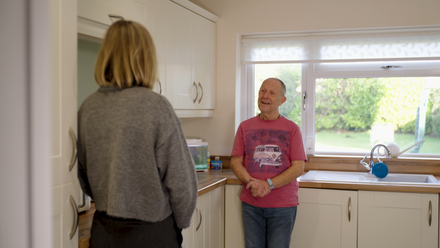
This spring, Holland & Barrett ran a series of community pop-ups built around a simple idea: give people a free body scan, and, more importantly, the chance to talk the results through with a registered nutritionist or dietitian.
A body scan on its own is just numbers. A Tanita composition scanner shows people what their weight is actually made up of, but it takes a professional to explain what that means and what, if anything, to do about it.
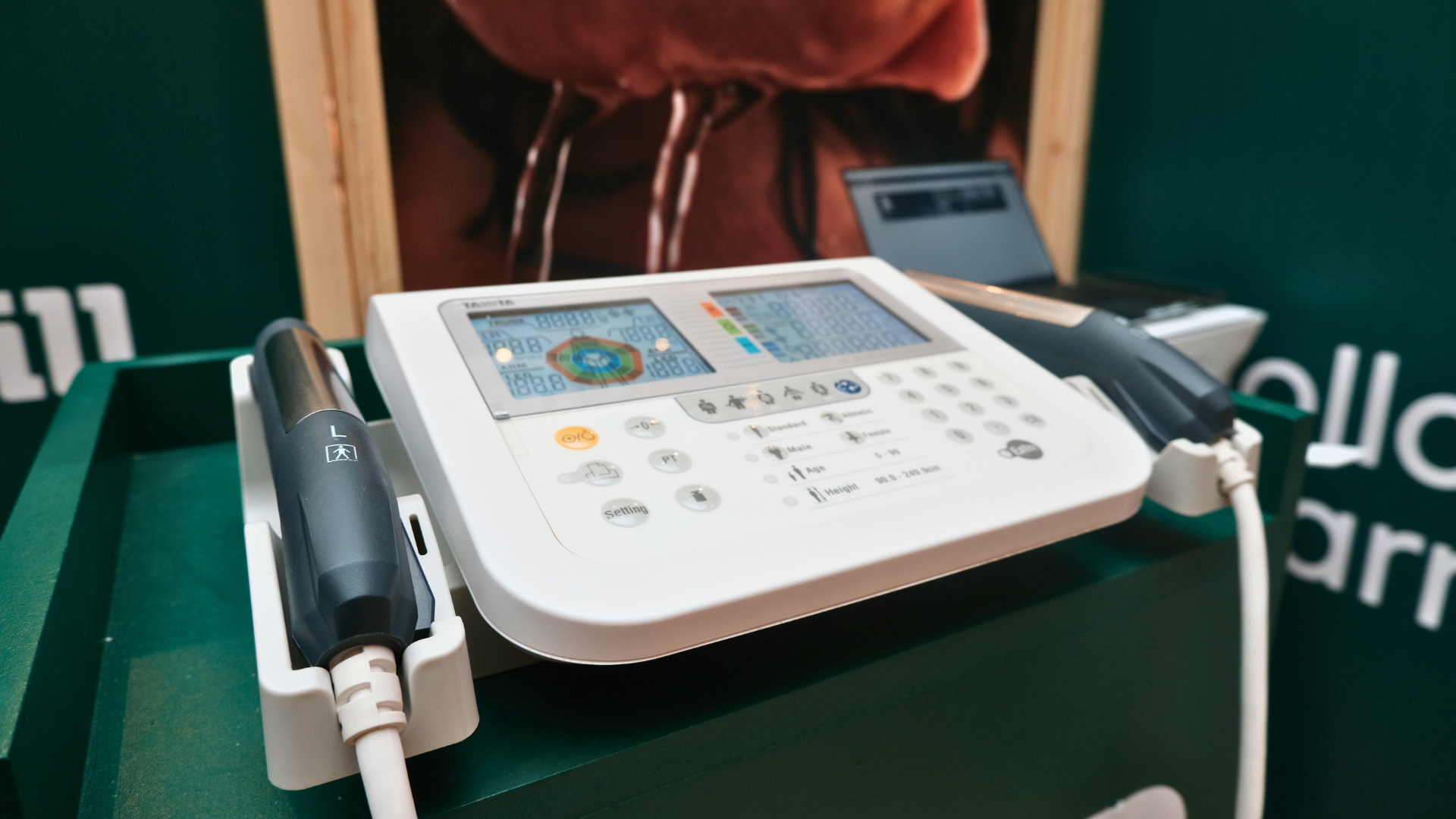
Alongside the scan, a nutritionist or dietitian was on hand to answer questions on the spot, the kind of credible, personalised feedback most people simply can’t get from a search engine.
Visitors could also try Holland & Barrett's new event vending machine, built with the brand's in-house dietitian and clinical governance team.
A few quick questions about sleep, energy and general wellbeing pointed people toward a free sample of one of three well-established supplements - vitamin D, vitamin C or magnesium.
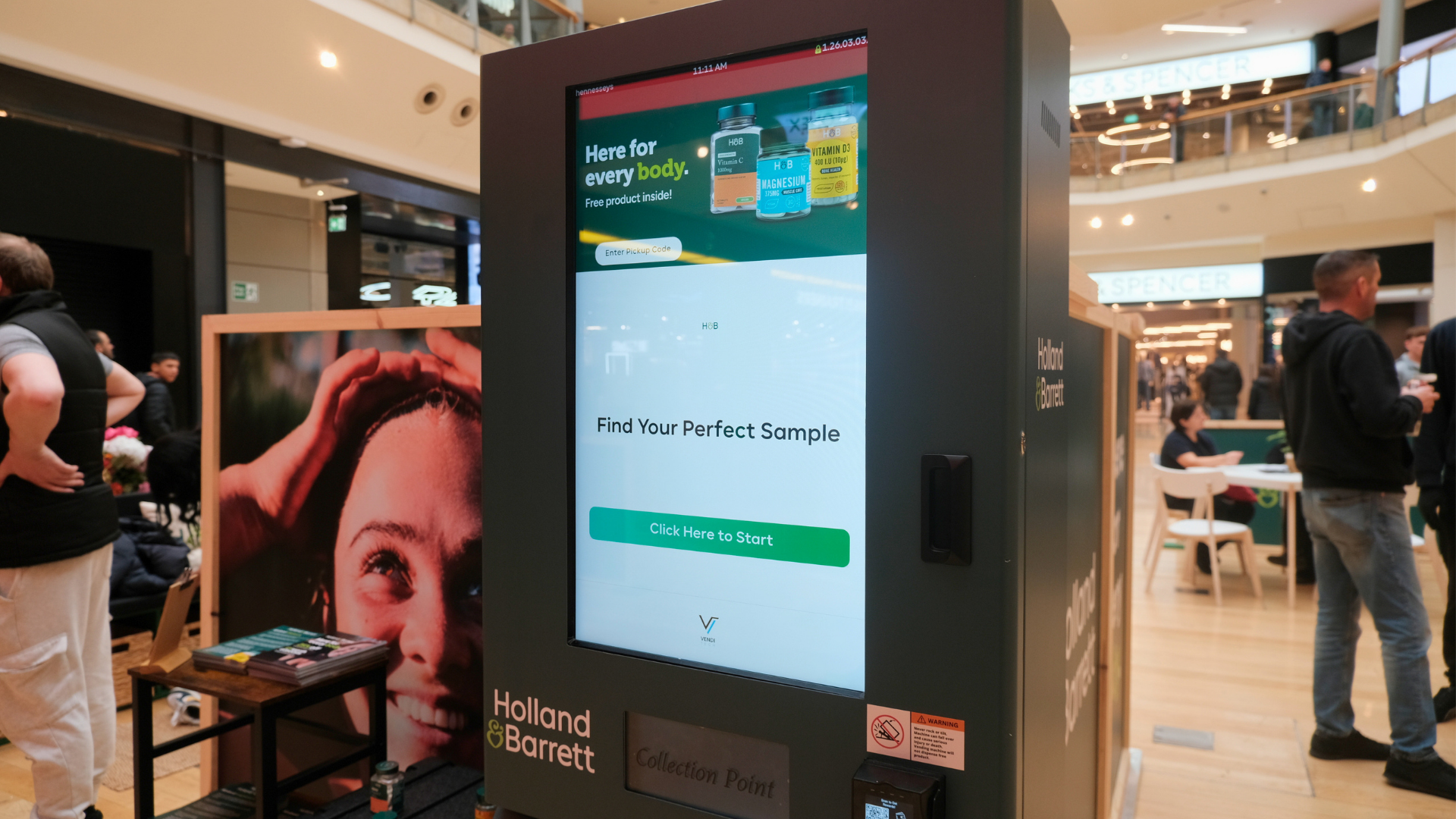
It isn't there to diagnose anything or replace professional advice; it's a gentle way in for people who feel overwhelmed by the choice on the shelf and don't know where to start.
Watch Holland & Barrett's pop-up in action
Underpinning it all was a bigger aim: cutting through the noise. There’s a vast amount of nutrition "advice" online and, as any dietitian will tell you, not all of it is reliable.
Pop-ups like this create a relaxed, pressure-free space to ask a real expert a real question, put a few myths to bed, and leave feeling more confident.
The response spoke for itself, more than 800 free scans and follow-up conversations, with over 96% of people coming away happy.
For the BDA, initiatives like this reflect what we look for in a corporate partnership: registered professionals and sound clinical governance at the heart of anything public-facing, meeting people in their own communities and helping them take a more active role in their own health.